
Jeff Schechtman talks with authors, journalists, and thought leaders.
Episodes
Wednesday Jan 04, 2017
Wednesday Jan 04, 2017
 While Rural America may have made its voice heard in our recent election, the numbers show that more and more Americans, as well as citizen around the world, are moving to cities. Look at any demographic map of the US and it’s clear that we are becoming a more urban nation. As such, cities are the vital link in our cultural, social and economic well being.
But they also are, by virtue of their density, laboratories for so many of the larger problems that face the society. Problems of inequality, education, race, class and creative disruption are all playing out in our cities.
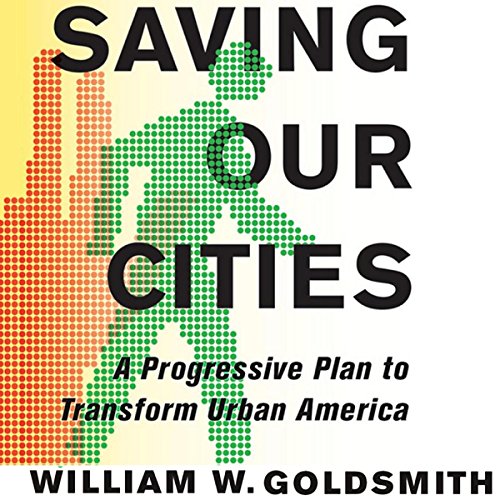
Cornell professor William Goldsmith thinks they are also target rich in opportunities. He lays out his ideas in Saving Our Cities: A Progressive Plan to Transform Urban America
My conversation with William Goldsmith:
Sunday Jan 01, 2017
Sunday Jan 01, 2017
 It would be very easy these days to have contempt for where celebrity culture has taken us. Nonetheless, sometimes celebrities just by virtue of their talent, their fame and their own ambition are able to make change in the world.
Whether it's making cracks in the glass ceiling, having us look at things we might not have seen or simply modeling a very public life with lessons for us all...celebrities do sometime provide us a window into ourselves.
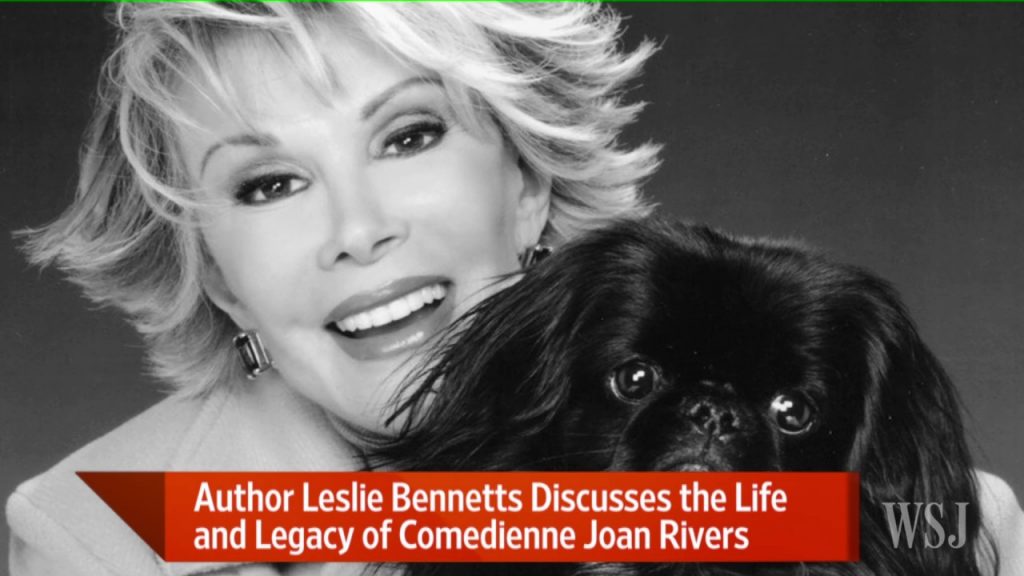
Such was the case with Joan Rivers. Whether in business, in comedy, or in life she was a trailblazer. And now journalist Leslie Bennetts gives her the biography she deserves in Last Girl Before Freeway: The Life, Loves, Losses, and Liberation of Joan Rivers

My conversation with Leslie Bennetts:
Thursday Dec 29, 2016
Thursday Dec 29, 2016
 When we talk about the homeless, especially in our major cities, we imagine those that are visible on the streets and sidewalks. We don’t see the two million plus children who are homeless. The children and families living in cars, or motel rooms, or emergency shelters. They constitute an Invisible Nation: Homeless Families in America

How did this happen in a country and in cities as rich as San Francisco, or New York or Washington? Journalist Richard Schweid takes us deep into the bottom of a homeless economy that should shame us all.
My conversation with Ricahrd Schweid:
Wednesday Dec 28, 2016
Wednesday Dec 28, 2016
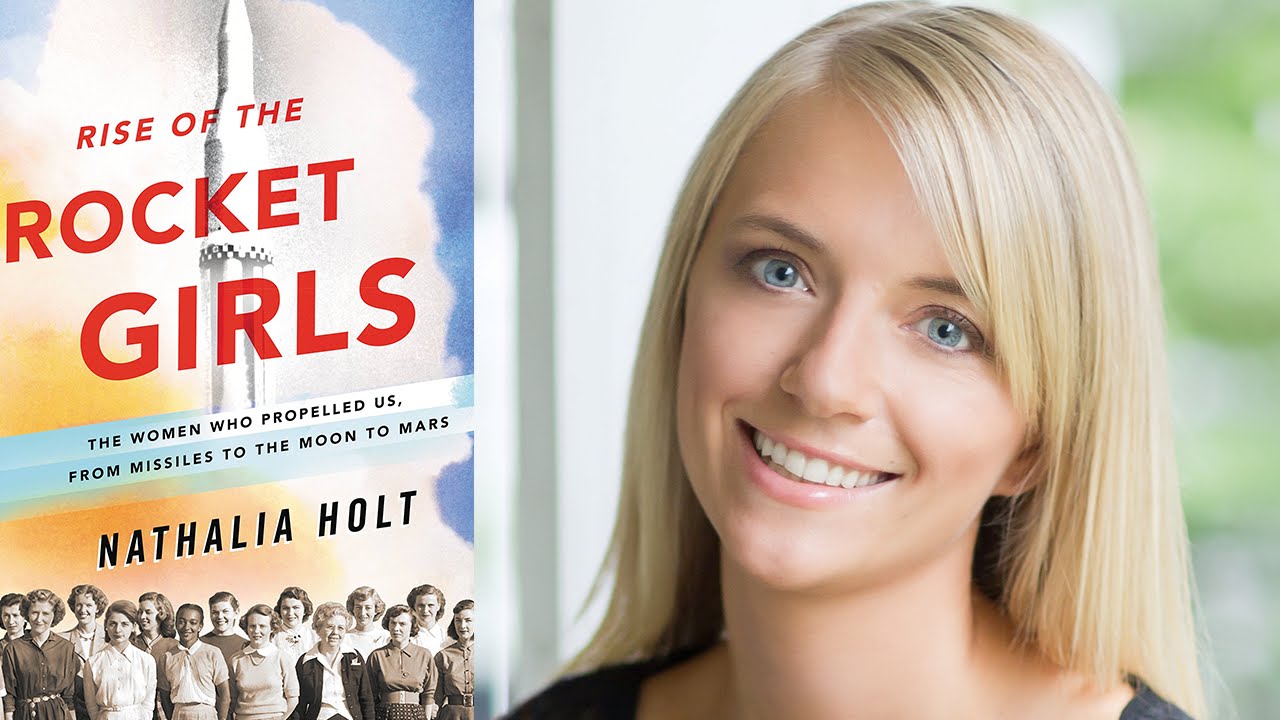 Long before NAPA's Hidden Figures of the 1960’s space program, there were the The Rocket Girls: The Women Who Propelled Us, from Missiles to the Moon to Mars
When Sally Ride blasted off as the first American woman into space back in 1983, she may not have know it at the time, but she stood on the shoulders of dozens of woman who, beginning in the 1940's, helped America compete in the space race and the Cold War.
Based at the Jet Propulsion Laboratory in Pasadena, California, these woman essentially provided the computational power that made rocketry viable. They shattered not only glass ceilings, but helped free us from what poet John Magee call the “surly bonds of earth.”
Nathalia Holt, trained at Massachusetts General Hospital, MIT and Harvard, takes us back to a seminal time for woman and America in space.
My conversation with Nathalia Holt:
Tuesday Dec 27, 2016
Tuesday Dec 27, 2016
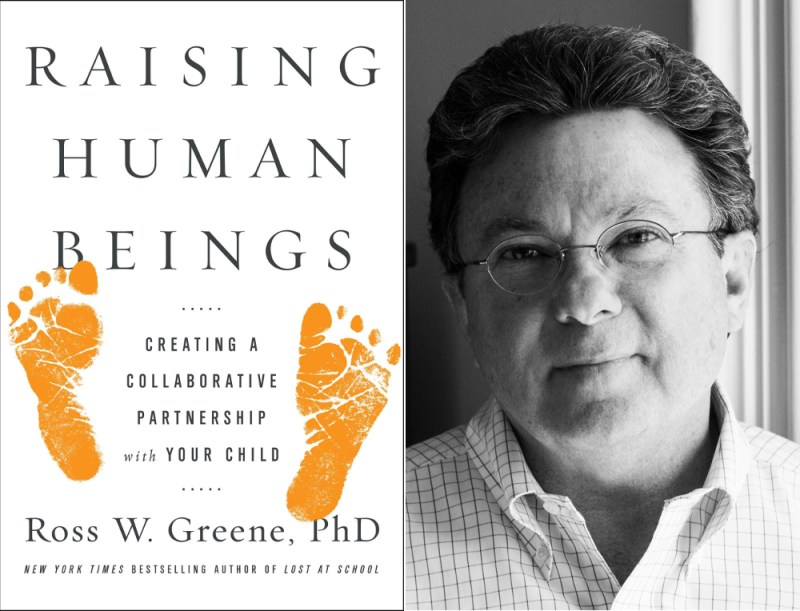 Parenting has gone from something natural to something that has become a job with many specific rules, fears and requirements. In fact it’s both more than than and less than sum total of all those rules.
It should be a partnership with our kids, a kind of collaboration that makes both parent and child stronger. That a large part of the approach of Dr. Ross Greene lays out in Raising Human Beings: Creating a Collaborative Partnership with Your Child
My conversation with Dr. Ross Greene:
Monday Dec 19, 2016
Monday Dec 19, 2016
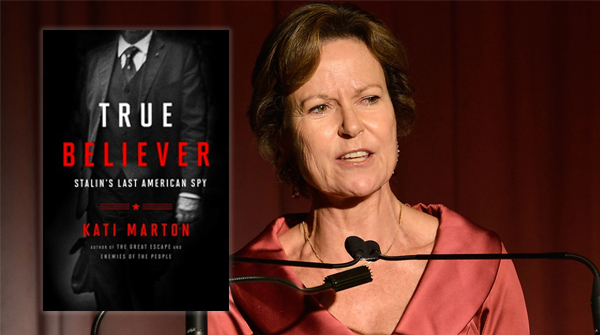 Listening to our political discourse today, vis a vis Russia, it brings back powerful reminders of the Cold War. A time when spies and covert action existed in what Le Carre called “a moral twilight.”
And yet when we think about people like Kim Philby or Alger Hiss or Aldrich Ames, is the way that they turned on their country any different than what we are seeing today?
We look at one of these instructive Cold War stories, True Believer: Stalin's Last American Spy
My conversation with Kati Marton:
Sunday Dec 18, 2016
Sunday Dec 18, 2016
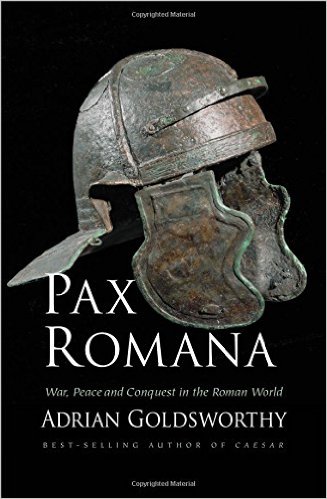 In these troubled and uncertain times, it seems that the only thing we can take comfort from is history. Civilizations, empires and nations come and go. But how it happens and why is where we find lessons that may comfort us and maybe save us.
Few periods are as instructive as Pax Romana (Latin for "Roman peace.") It was the long period of relative peacefulness and minimal expansion by the Roman military force after the end of the Final War of the Roman Republic and before the beginning of the Crisis of the Third Century.
This is the story that famed historian Adrian Goldsworthy tells in in Pax Romana: War, Peace and Conquest in the Roman World
My conversation with Adrian Goldsworthy:
Monday Dec 12, 2016
Monday Dec 12, 2016
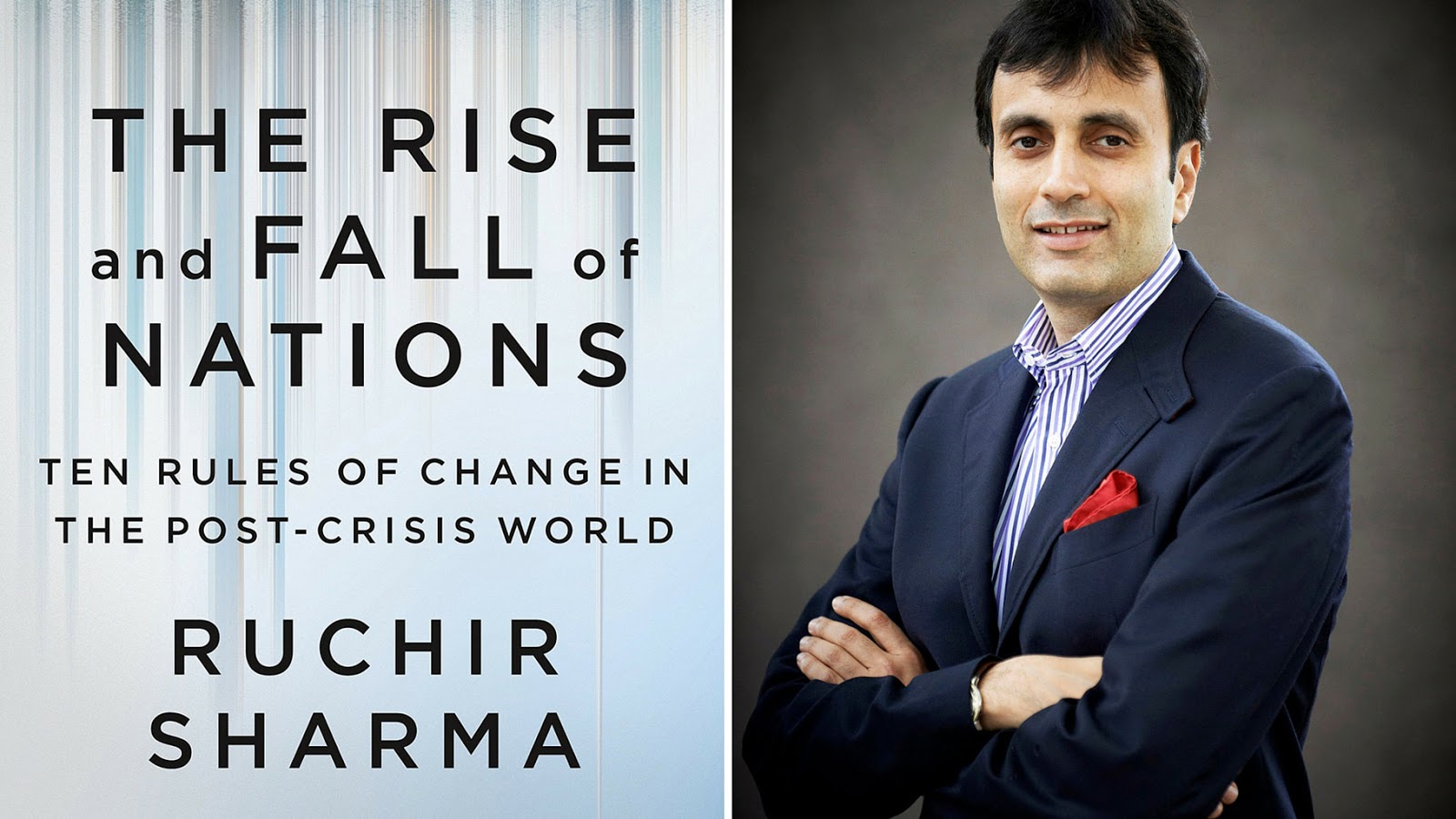 Just as the existential question of why individuals succeed and fail, vexes every aspect of both public policy and personal debate, so to with nations. History tells us of the rise and fall of nations. In so doing it gives us clues about economics, demographics, planning and even how the individual drive for success scales up to impact whole nations.
But of course, like everything else, we seek clear and precise metrics to try and make business decisions, geopolitical policy decisions, and simply anticipate the future in order to make a better world.
Ruchir Sharma, the Head of Emerging Markets and Chief Global Strategist at Morgan Stanley, tries to do this in The Rise and Fall of Nations: Forces of Change in the Post-Crisis World
My conversation with Ruchir Sharma:
Thursday Dec 08, 2016
Thursday Dec 08, 2016
Whenever political discussion, particularly on the left, turns to what policies will really work to improve the lives of the middle class, invariably there is talk about the Scandinavian model.
Countries like Norway, Denmark, Iceland Sweden and Finland are constantly in the top tier of education, abundance of jobs, healthcare and a social safety net that is woven in the nation's DNA.
But this was not always so. Many of these countries had to work hard to achieve this and in some cases that did it from polarization as bad, if not worse than the current state of America. George Lakey takes us through this history in Viking Economics: How the Scandinavians Got It Right-and How We Can, Too
My conversation with George Lakey:
Friday Dec 02, 2016
Friday Dec 02, 2016
 It seems as if creative destruction and technology are changing everything ...even sex.
This may be problematic given the degree to which sex is connected to everything else; marketing, relationships, essentially all forms of human interaction. As Emily Witt says, “we organize our society around the way we define our sexual relationships.”
The inflection point at which all these forces are coming together, is in part what Emily Witt writes about in her new book Future Sex: A New Kind of Free Love
My conversation with Emily Witt:
Thursday Dec 01, 2016
Thursday Dec 01, 2016
 “Children's playthings are not sports and should be deemed their most serious actions," Montaigne wrote.
Freud regarded play as the means by which the child accomplishes his first great cultural and psychological achievements; through play he expresses himself. This is true, Freud thought, even for an infant whose play consists of nothing more than smiling at his mother, as she smiles at him. He noted how much and how well children express their thoughts and feelings through play.
Why then should we assume that we outgrow the value of play? The wonder of seeing the world through joy, rather than fear. Think about all that you’ve read about the creativity of silicon valley...the atmosphere of fun that entrepreneurs try to create.
Today even education is being built around the idea of projects, of teams, of fun and of wonder.
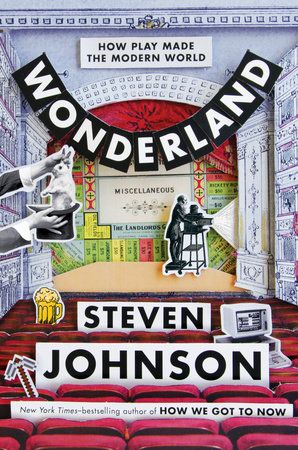
This is the world that best selling author Steven Johnson explores in Wonderland: How Play Made the Modern World
My conversation with Steven Johnson:
Monday Nov 28, 2016
Monday Nov 28, 2016
 Not a day goes by that you don’t pick up your smartphone to access a piece of information. Every dinner party or get together has the scene where everyone races to their phones to look up a fact or prove a point.
It’s so easy….so easy in fact that we often think, certainly our kids think, that they don’t need a large basic body of knowledge. Why memorize anything when you can just look it up..it’s all there in the cloud...right?
Well it is. But fundamental knowledge does matter. What we know, not what Siri knows, can truly impact and shape the lives we lead, the work we do, the friends we have and really defines our place in the world. We have just witnessed what happens when large groups of people don’t have that basic knowledge.
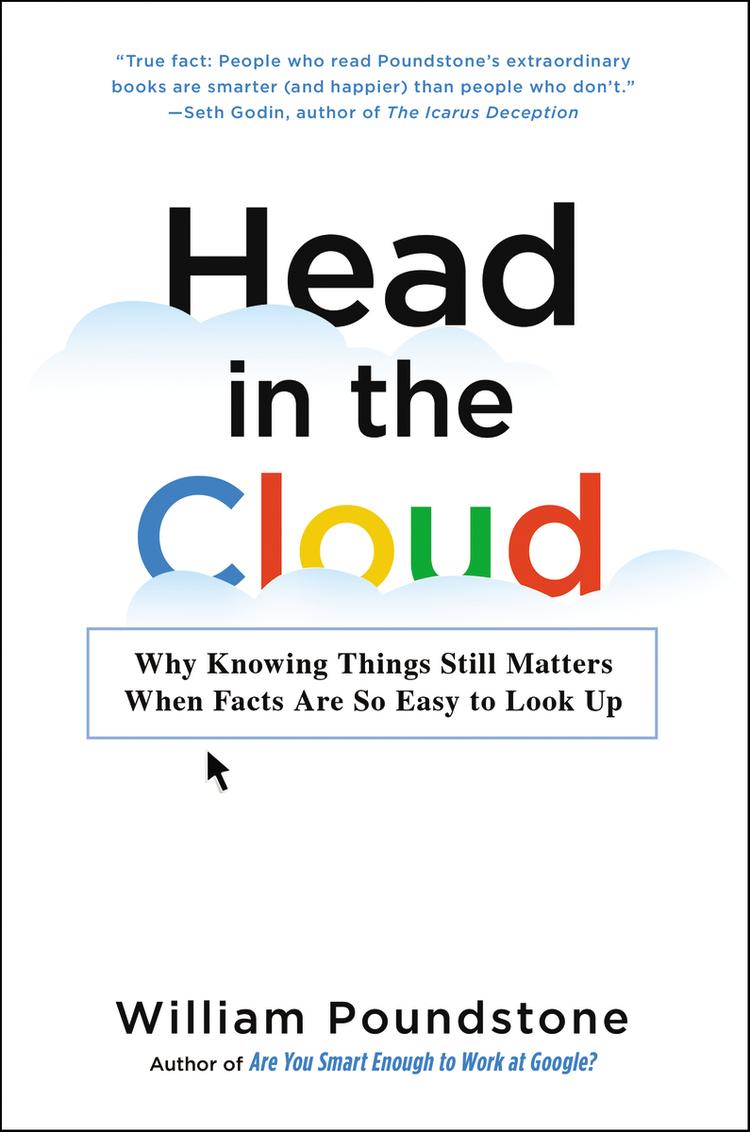
This is the reality that William Poundstone examines in Head in the Cloud: Why Knowing Things Still Matters When Facts Are So Easy to Look Up
My conversation with William Poundstone:
Sunday Nov 27, 2016
Sunday Nov 27, 2016
 A not terribly successful American President was right when he said that “the business of America is business.” In fact, today it would be safer to say that the business of the world is business.
Whether through globalization, or just through the individual entrepreneurship of citizen in the developing world, business is the one force that seems to counter unrest, instability, joblessness, and even extremism.
Wisdom and experience tells us we will not stop extremism in the Middle East, or other violent regions, with just guns, drones and military force. But it just may be that fostering entrepreneurship and job creation may be one answer.
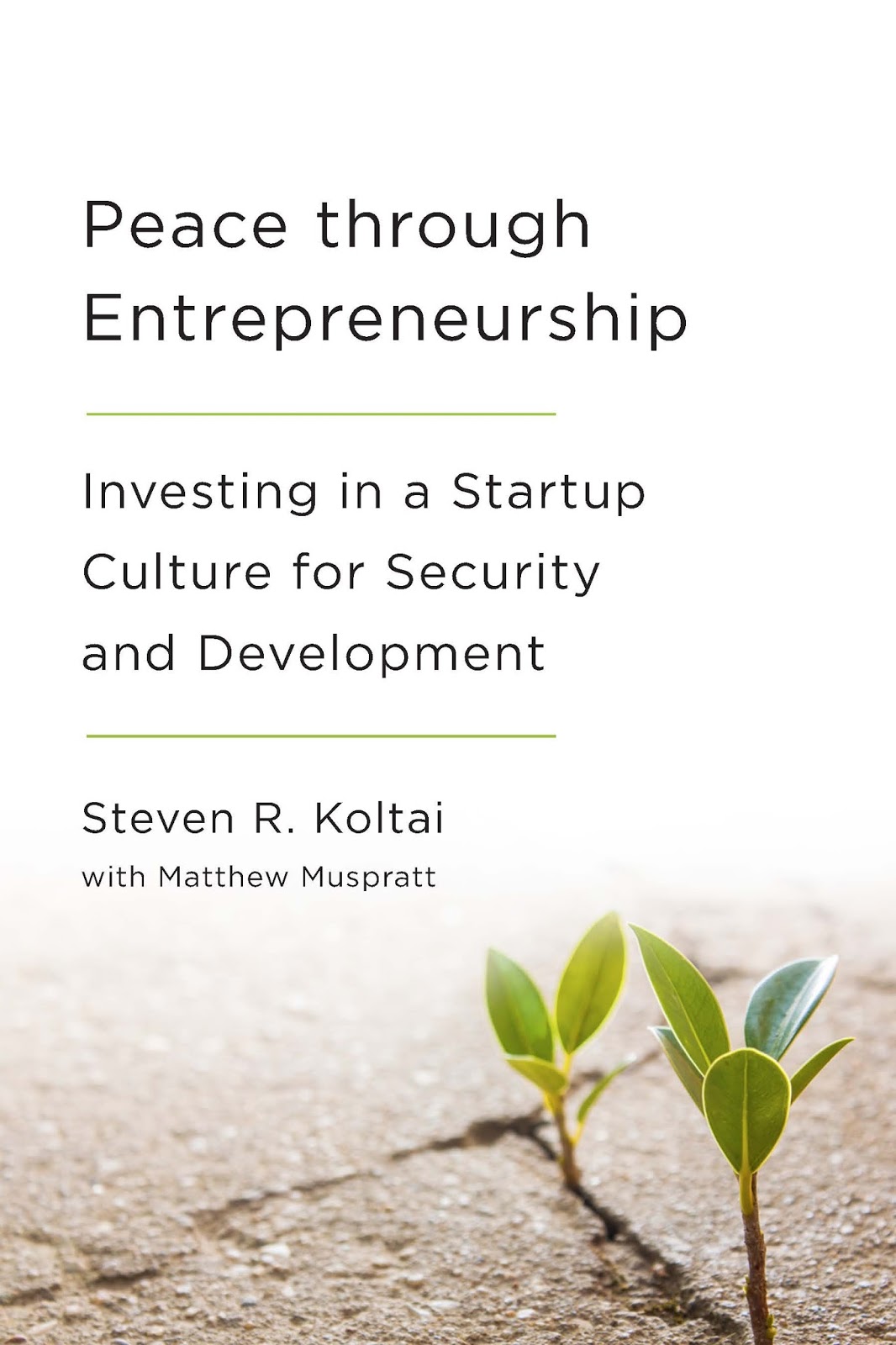
Leading this school of thought is former State Department official Steven Koltai. Koltai is also the author of Peace Through Entrepreneurship: Investing in a Startup Culture for Security and Development
My conversation with Steven Koltai:
Sunday Nov 27, 2016
Sunday Nov 27, 2016
 Fifty four years ago JFK, at the height of the Cold War, set us on a path to the moon.
Today, absent the Cold War and in a world where a new photo or dating app becomes a billion dollar effort, it’s hard to think in terms of such massive, global and societal undertaking.
Yet one man does. Be it electric cars, solar powering the nation, or going to Mars, Elon Musk thinks differently than everyone else...but he does want all of us to join him in that effort. The Washington Post's Joel Achenbach has written the cover story for National Geographic's special Mars Issue
My conversation with Joel Achenbach:
Friday Nov 25, 2016
Friday Nov 25, 2016
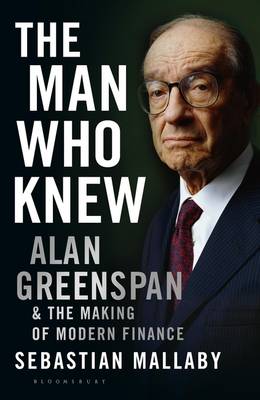 Back in 1992 the mantra of the Bill Clinton campaign was that “it's the economy stupid.” Surprising, since the majority of American campaigns for President have always been about the economy.
However since the 1970’s that economy has been changing dramatically and rapidly. It was only as far back as the Nixon administration that we were still on the gold standard. Things like derivatives didn’t exist. Subprime lending, globalization of money and creative destruction in the economy had not yet set up a paradigm for collapse.
Presiding over so much of this change, watching all of it and directing some of it, was Alan Greenspan. Towering over the Federal Reserve for 18 years and serving five Presidents, no one knew more about the inner and outer working of the American economy than Greenspan.
Now we get the first full scale economic and person biography of Greenspan in Sebastian Mallaby's The Man Who Knew: The Life and Times of Alan Greenspan
My conversation with Sebastian Mallaby:
Tuesday Nov 22, 2016
Tuesday Nov 22, 2016
 Look around your home or office, or even your car. Everything there was designed. Albeit not always well. Sometimes with an eye towards function, sometimes looking at form and sometimes with thought into the human interface. Wouldn't it be great if everything was designed with equal parts engineering, aesthetics and a real understand of how human beings will interface with whatever it is?
That methodology, that combination of humanity and art and engineering is what’s now called Design Thinking. It’s an important part of Silicon Valley’s disruption and progress
But imagine if the same concepts could apply not just to computers or to a mouse or a phone, but to your entire life?
In many schools today these idea of Design Thinking are combining with project based curriculum and human centered collaborating and producing the future leaders of the 21st Century.
Two of the leader in all of this are Stanford’s Bill Burnett and Dave Evans. They are the authors of Designing Your Life: How to Build a Well-Lived, Joyful Life
My conversation with Bill Burnett and Dave Evans:
Thursday Nov 17, 2016
Thursday Nov 17, 2016
Herbert Hoover said that “the business of America is business.” If he were around today, in the age of globalization, he might have referred to the business of the world.
Yet as our current election shows, as the recent Brexit votes showed, the connection between people and business has never been more tattered and frayed.
Globalization itself, disruption, dislocation, the obsession with short term profits and shareholder value, coupled with the free flow of goods and money and jobs around the world, has created a chasm between the world’s businesses and ordinary citizens.
At a time when technology has made it easier for citizens to actually come together and be engaged, business has too often retreated to its C Suites in the hopes that the storm would pass.
But the clouds are getting darker. With more automation and AI, now reaching virtually every sector of work.
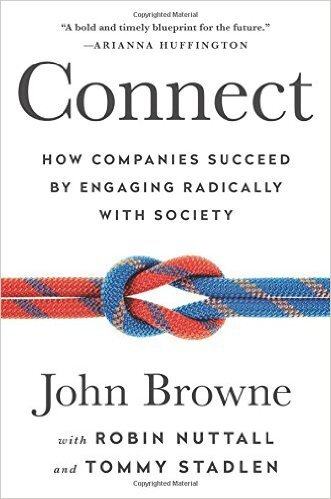
With worker and public anger reaching toxic levels, business can no longer hide, it must be, in the words of former BP Chief Executive John Browne, more willing to Connect.
My conversation with Lord John Browne:
Wednesday Nov 16, 2016
Wednesday Nov 16, 2016
Think about those things that are usually the most personal, the most intimate and complex.
A few of them are what goes on inside a marriage,
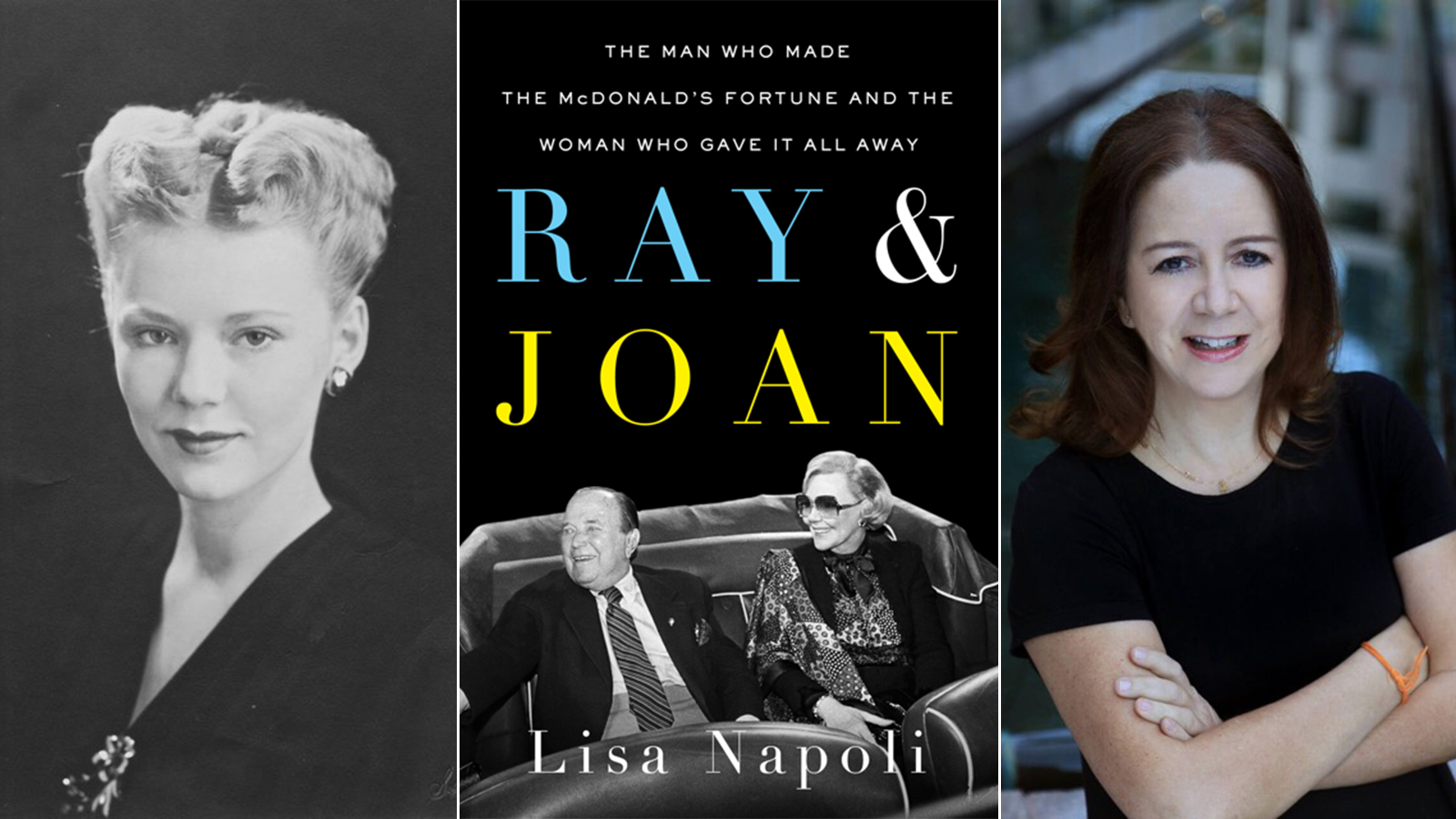
why and how people give away money (there is a reason many do it anonymously) and the degree to which the business of America is business. These are the elements that make up the story of Ray and Joan Kroc.
A story that is part Edward Albee, part Fortune magazine and part political, in the sense that the personal is indeed political.
Ray Kroc was the driving and force that made McDonald's bloom throughout the world and Joan Kroc was one of our most liberal and generous philanthropists of our times.
An unlikely combination, and an unlikely but compelling story told by Lisa Napoli in Ray & Joan: The Man Who Made the McDonald's Fortune and the Woman Who Gave It All Away
My conversation with Lisa Napoli:
Tuesday Nov 15, 2016
Tuesday Nov 15, 2016
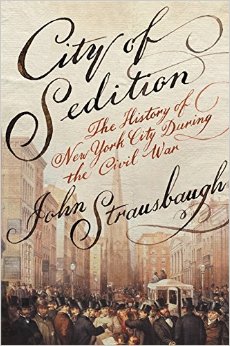 It’s always so interesting all the assumptions we make about history. They tell us something about the assumptions we might be making about our divide today.
When we think about the Civil War era, for example, we think in clear lines...the North vs. the South. Yet in families, in communities and in the states themselves, many were conflicted. Then as now, there were personal and economic interests that crossed over both sides.
Nowhere was this more the case than in the city of New York. While seemingly a part of the North, its economic interests in cotton, shipping and even the slave trade made New York what it has always been. A capital of commerce, whose interests in the context of the war were conflicted. A cautionary tale about our divide today.
This is the story that my guest John Strausbaugh tells in City of Sedition: The History of New York City during the Civil War

My conversation with John Strausbaugh:
Sunday Nov 06, 2016
Sunday Nov 06, 2016
 It's hard to imagine today, but the East, what we refer to now as the Middle East, was once a pinnacle of civilization. Like all great civilizations, it struggled with conflict between personal values and its laws, about succession and tribalism and security. It evolved a form of rule in the Islamic world that lasted for almost 1300 years..by any account a pretty good run.
Wednesday Nov 02, 2016
Wednesday Nov 02, 2016
 We are a nation of immigrants. For 240 years we have opened our arms to those seeking to come to America and for many of those years New York has been ground zero. But the immigrant story, even in, or especially in New York, has not been one of ease. The process and pain of assimilation, the fear of the other, the competition for resources have always created wedges between immigrant groups and so called nativists.
Sunday Oct 30, 2016
Sunday Oct 30, 2016
 Medicare has often been referred to as the third rail of American politics. Because it has become so woven into the fabric of American life, so necessary and vital for seniors, , both politicians and those that have legitimate interest in improving public policy, are afraid to touch it. It’s as if the admonition to "do no harm" is first and foremost about medicare.
Friday Oct 28, 2016
Friday Oct 28, 2016
 How many times have we heard that this election is like no other? That this is an extinction level event, threatening the very fabric of the republic. And yet history tells us that we’ve survived far worse. Be it the civil war, McCarthyism, violent labor strife at the turn of the last century, political assassination and of course, the chaos of the 1960’s
 .
.Friday Oct 28, 2016
Friday Oct 28, 2016

 .
.Tuesday Oct 25, 2016
Tuesday Oct 25, 2016
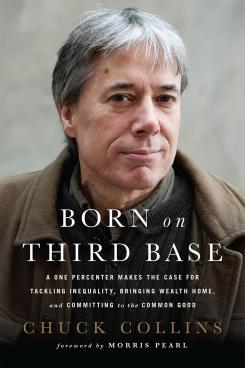 More than race and more than gender, class and wealth are the great divide in America today. There was a time when those with wealth represented a kind of noblesse oblige. They had sense of obligation to the larger society that had allowed them the opportunity to succeed.
Monday Oct 24, 2016
Monday Oct 24, 2016
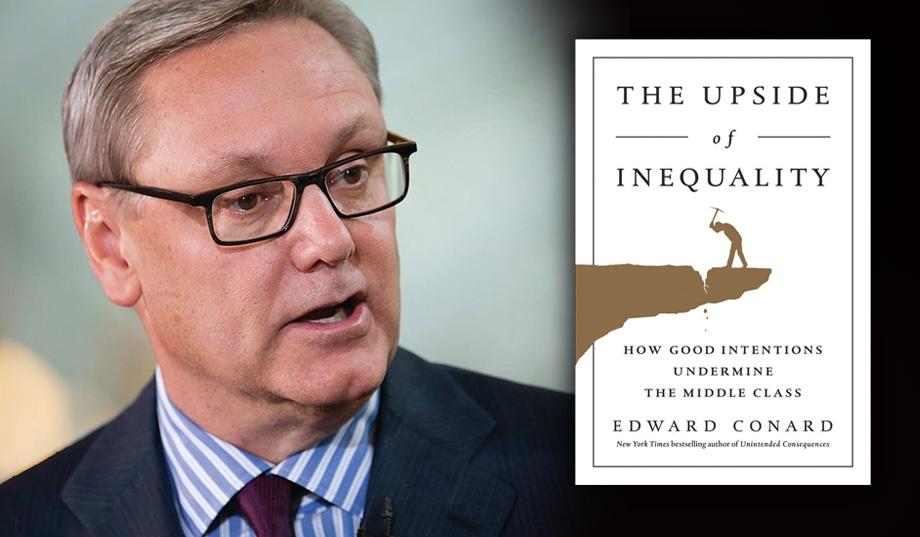 If there is a central political principle that organizes what little policy debate there is in this election it seems to be centered around the idea of “income inequality.” From the embrace of Bernie Sanders by millennials, to boomers and traditional Democrats embracing of Clinton, right on through the angry, populist rage that makes up the core of the Trump supporters.
 , he makes the case that it’s not a zero sum game and that the the success of the one-percent is not what’s holding back the economic growth of the middle class.
Monday Oct 17, 2016
Monday Oct 17, 2016
 Part mythology and part the result of the current Presidential campaign, we have this image of the US/Mexican border as divided territory. We hear folks talking about it as if at one time north was north and south was south and never the twain would meet.
 .
.Friday Oct 14, 2016
Friday Oct 14, 2016
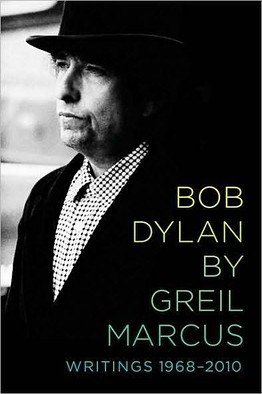 For any music to be successful, there must be that special bond between performer and listener. Perhaps nowhere has that bond been stronger then in the unique relationship between Bob Dylan and music critic extraordinaire Greil Marcus.
Thursday Oct 13, 2016
Thursday Oct 13, 2016
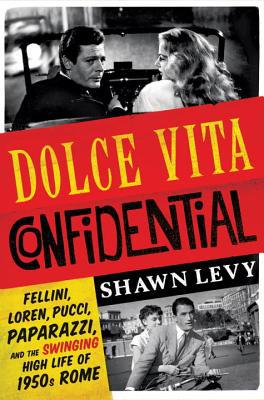
This was a sensual world that was a far cry from the overt decadence and sexuality of America today. How have the tables switched so dramatically and what does it say about the state of love, sex and popular culture in the 21st century. And for those of us that weren’t there, what did we miss in this magical time and place.
 .
.Wednesday Oct 12, 2016
Wednesday Oct 12, 2016
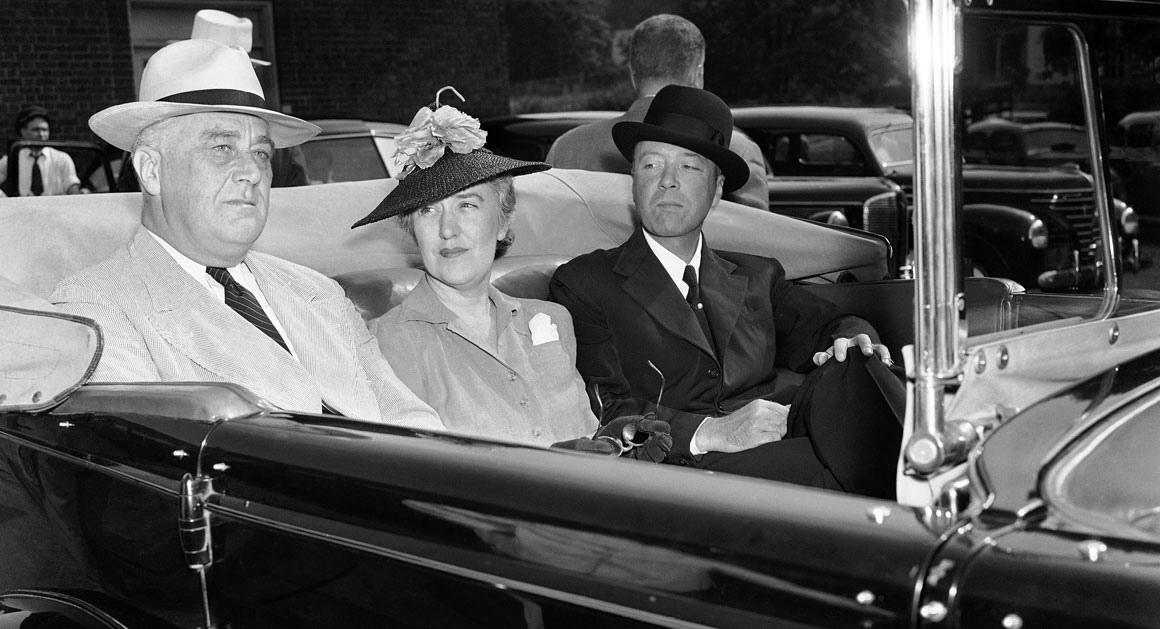 Because we are in the midst of a heated presidential campaign, we know that much coverage goes to the people around the candidate. We want to know who will be the advisors. Who gets to whisper in the ear of the President and who might have the last word before important decisions are made.
 .
.Tuesday Oct 04, 2016
Tuesday Oct 04, 2016
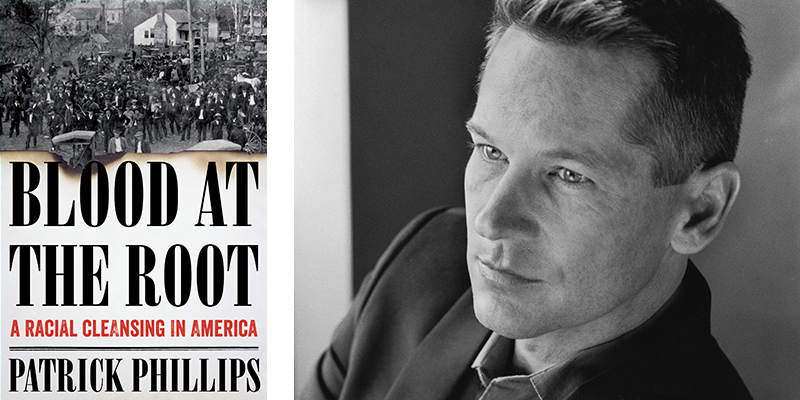 It is the original sin of America. 240 years later the issue of race still animates a significant portion of political and social discourse in this country.
 .
.Monday Oct 03, 2016
Monday Oct 03, 2016
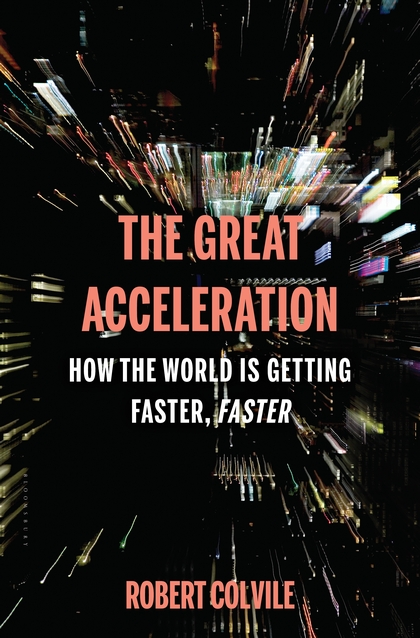 We throw around a lot of words and ideas about technology, about disruption, about progress and about the impact of technology in speeding up our lives.
  .
.Friday Sep 30, 2016
Friday Sep 30, 2016
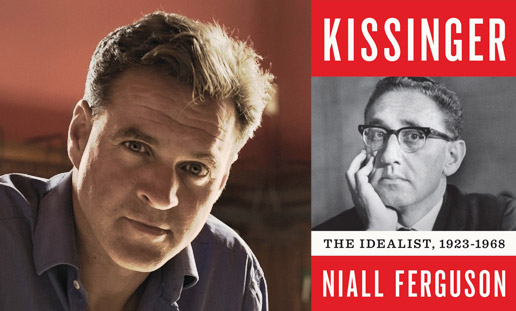 Few modern day political figures have had more written about them than Henry Kissinger. From his own three volume, almost 4000 page memoir, to scores of books and articles. So why another we might ask historian Niall Ferguson.
Tuesday Sep 27, 2016
Tuesday Sep 27, 2016
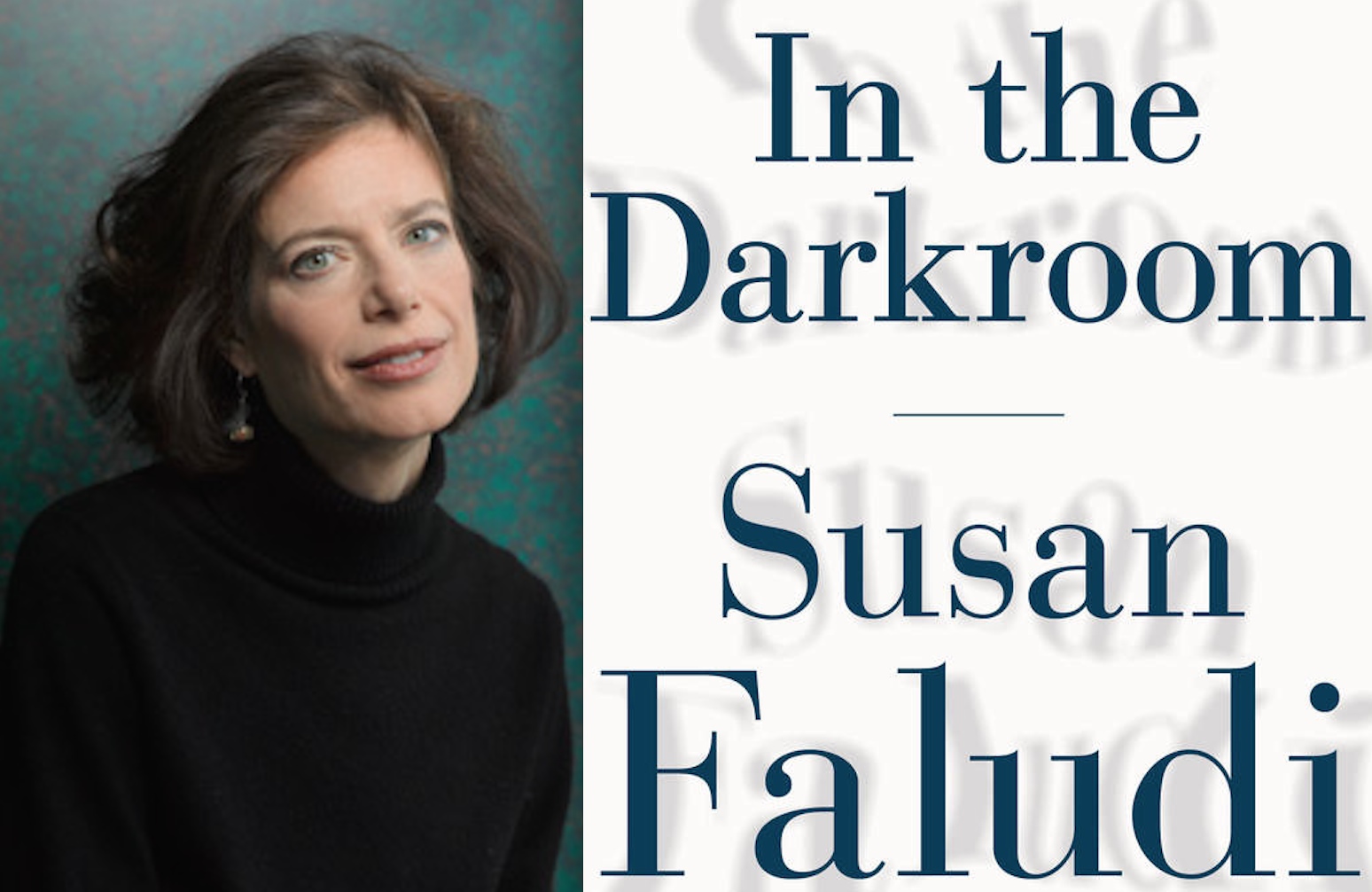 No matter how close or estranged any of us may be for our parents, there always linger the questions of how well do we know them...that is really know who they are. Think about the questions kids wonder about, what their parents really do a work, their sex lives, the conversations that go on after they go to bed.
Friday Sep 23, 2016
Friday Sep 23, 2016
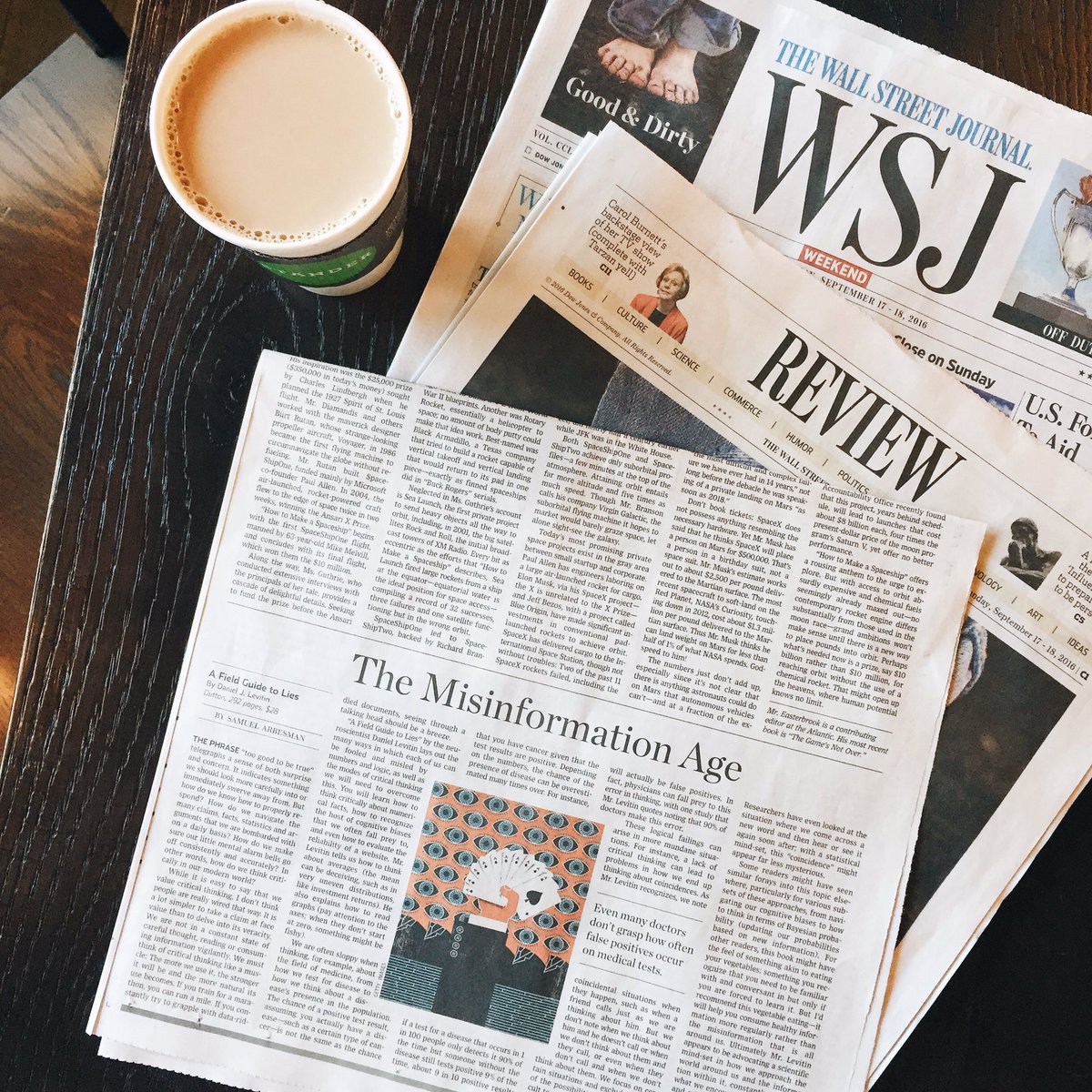 We are awash in information. Estimates are that 2.5 quintillion bytes of data are produced every day. That’s everything from data from space probes to your photos on Facebook. Google alone process approximately 3.5 billion requests per day.
  .
.Tuesday Sep 20, 2016
Tuesday Sep 20, 2016
 It is the job of historians and journalists to take contemporary information and give context and connection to events far beyond the time in which they happened. This is true for wars, for politics and for religion.
Sunday Sep 18, 2016
Sunday Sep 18, 2016
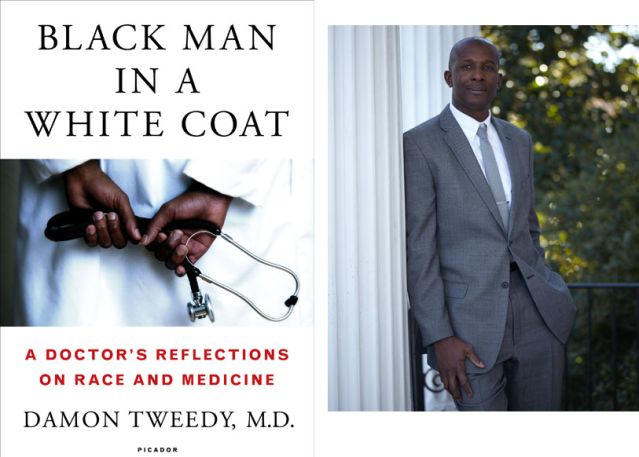 Nothing in the medical world is the way it used to be. Change is everywhere. The economic pressures, the political pressures and the very men and women who choose medicine as a career, has all being undergoing disruption.
Friday Sep 16, 2016
Friday Sep 16, 2016
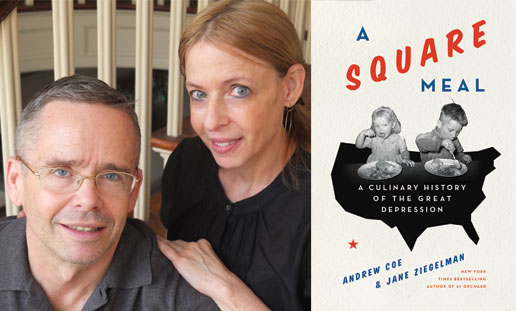 We’ve all seen the pushback to Michelle Obama as she has attempted to improve food quality and nutrition in our nation’s schools. In part, it reflects the degree to which everything is politicized these days. But it also reflects the degree to which food is and has been a political, cultural and historical touchstone
 .
.Wednesday Sep 14, 2016
Wednesday Sep 14, 2016
 The very fact that an unqualified, demagogic, racist could be close to the Presidency tells us less about the candidates and more about the shape and mood of America in the 21st Century.
Monday Sep 12, 2016
Monday Sep 12, 2016
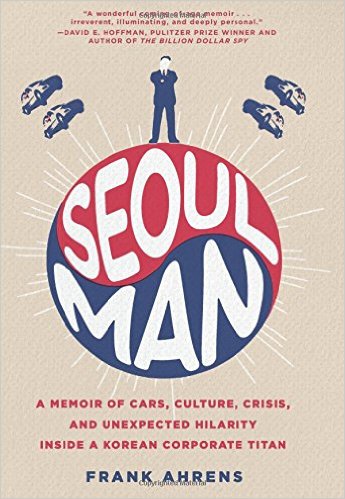 It’s a funny thing, all this talk about trade and globalization. On the one hand it’s used to divide us. To create walls and differences. But in fact, it has been one of the most powerful forces in shrinking the world. In allowing us to move personally, not unlike goods and dollars, freely between nations and cultures.
 .
.