Jeff Schechtman talks with authors, journalists, and thought leaders.
Episodes
Oct 2, 2024
Oct 2, 2024
33 min

AI’s rapid advancement comes with a hidden human cost. Not just the vast number of jobs that may be eliminated, but the little known digital sweatshops that are crucial to the ongoing development of AI itself.
In my recent WhoWhatWhy podcast, James Muldoon, associate professor of management at the University of Essex and co-author of Feeding the Machine, argues that the rapid advancement of AI technology comes with a significant human toll. Research by Muldoon and his colleagues exposes the often-overlooked exploitation of human capital in the Global South that lies behind the high-tech rollout of AI.
Sep 25, 2024
Sep 25, 2024
38 min

America’s sheriffs, often seen as small-town peacekeepers, are becoming a major threat to democracy. My latest WhoWhatWhy Podcast examines what’s happening.
In a country where 80 percent of counties are red, and 90 percent of sheriffs are white, a shadowy world exists where these elected officials wield unchecked power, often aligning with far-right militias and potentially influencing the 2024 presidential election.
Jessica Pishko, journalist, legal expert, and author of The Highest Law in the Land: How the Unchecked Power of Sheriffs Threatens Democracy, talks to me about the sheriffs group that believes their authority supersedes federal and state laws. It’s a movement gaining traction across rural America.
Sep 18, 2024
Sep 18, 2024
26 min

My guest on this week’s WhoWhatWhy podcast, David Daley, argues that the six weeks following Election Day 2024 could be more consequential than the entire campaign season.
At a rally in Pennsylvania recently, Donald Trump said, “You know, they do polls on this stuff, and I’m at like 93 percent. So why are we having an election? They didn’t have an election. Why are we having an election?’”
It’s a scary question when we consider that the next president of the United States might very well be decided by an unelected conservative supermajority on the Supreme Court.
Daley, author of the new book Antidemocratic: Inside the Far Right’s 50-Year Plot to Control American Elections, foresees a looming crisis that could dwarf the chaos of the 2000 election.
Sep 11, 2024
Sep 11, 2024
34 min

My latest WhoWhatWhy podcast focuses on how and why young voters, a potential deciding factor in the upcoming election, are shaped by the events of 9/11.
Historian Matthew Warshauer offers a provocative perspective on how the attacks of 9/11 continue to shape American politics and the nation’s youth. Warshauer — a professor of history at Central Connecticut State University and the author of Creating and Failing the 9/11 Generation — argues that those who came of age in the shadow of the attacks harbor a deep distrust in government and a pervasive sense of chaos that profoundly influences today’s political landscape.
Sep 7, 2024
Sep 7, 2024
36 min

For nearly 30 years, Judge David Tatel served on the U.S. Court of Appeals for the D.C. Circuit, often considered the second most important court in the nation. Tatel accomplished this while dealing with progressive vision loss, eventually becoming completely blind.
Judge Tatel's author of the memoir, "Vision: A Memoir of Blindness and Justice," offers us a very intimate look at an extraordinary judicial career and personal journey. Our conversation explores Tatel's path from civil rights lawyer to respected jurist, his initial resistance to acknowledging his blindness, and how writing his memoir ultimately freed him to discuss his experiences more openly.
An important part of Tatel's journey involves Vixen, his guide dog, who not only assisted him practically but also helped him become more comfortable discussing his blindness openly.
Tatel reflects on the evolution of disability rights and the transformative impact of technology on his work and independence. He also expresses deep concern about the increasing politicization of the judiciary, particularly the Supreme Court, and its implications for democracy. Tatel's story is not just about overcoming personal obstacles, but also a thoughtful examination of the changing landscape of civil rights, the role of the judiciary, and the ongoing struggle for equality and justice in America.
Sep 4, 2024
Sep 4, 2024
29 min

Like a hand reaching up from the grave, the recent Supreme Court decision on presidential immunity represents the posthumous triumph of Richard Nixon, Robert Bork, and Antonin Scalia.
On thisWhoWhatWhy podcast I examine this constitutional crisis with Brown University law professor Corey Brettschneider, author of The Presidents and the People: Five Leaders Who Threatened Democracy and the Citizens Who Fought to Defend It.In a ruling that seems to place former presidents beyond the reach of criminal law, the court has breathed new life into Nixon’s infamous claim: “When the president does it, it can’t be illegal.”
Brettschneider unravels how the ghosts of conservative legal titans have shaped a ruling that threatens the very foundations of American democracy.
Aug 28, 2024
Aug 28, 2024
29 min

On this WhoWhatWhy podcast, I talk with Andrew R. Chow, author of Cryptomania: Hype, Hope, and the Fall of FTX’s Billion-Dollar Fintech Empire. Chow guides us through the crypto landscape, from its original utopian dreams C
Cryptocurrency defies conventional wisdom. Once a fringe element in volatile financial markets, it’s now a campaign talking point, with Donald Trump surprisingly emerging as an enthusiast. As blockchain-based crypto goes mainstream, its growing influence on the global economy raises alarm bells. Is it an exciting tech revolution or a financial time bomb?
Aug 24, 2024
Aug 24, 2024
33 min

Billionaires. They're everywhere. But how did this obsession begin?
In many ways, Bill Gates is patient zero in our collective fixation on billionaires, particularly those bred in the tech world. Before there was Bezos, Musk, Zuckerberg, or Thiel, there was Bill Gates. If Warren Buffett is the modern father figure of billionaires, Gates is undoubtedly the first son.
Anupreeta Das, S. Asia editor of The New York Times and author of the new book 'Billionaire, Nerd, Savior, King: Bill Gates and His Quest to Shape Our World.' has spent years covering the intersection of wealth, power, and influence, and her book offers a penetrating look at Gates and the world he both shaped and was shaped by.
Aug 17, 2024
Aug 17, 2024
31 min
 A revolutionary perspective on American constitutional history with Alison LaCroix, author of "The Interbellum Constitution."
Our discussion challenges everything you thought you knew about federalism, originalism, and the foundations of our legal system. LaCroix unveils how the often-overlooked period between 1815 and 1861 profoundly shaped our modern constitutional debates, offering fresh insights into today's political struggles. She reveals how even James Madison rejected what we now call originalism, upending conventional wisdom about the Founders' intent.
As states and federal authorities clash over immigration, abortion, and more, LaCroix's exploration of historical federalism provides crucial context for our current crises.
Jul 29, 2024
Jul 29, 2024
35 min
 When people say their perception of the economy doesn’t match the numbers, are they just ill-informed?
It’s a familiar refrain: stock markets soar, GDP rises, unemployment falls, yet many Americans feel left behind, struggling to make ends meet.
So what’s causing this disconnect between the rosy numbers and people’s lived experiences?
Joining me for thisWhoWhatWhy podcast are two leading thinkers on reimagining how we measure economic health and well-being: Jacob Hacker, professor of political science at Yale, and Jonathan Cohen from the American Academy of Arts and Sciences.
Jul 25, 2024
Jul 25, 2024
47 min
 In my latest Califonria Sun podcast Sara Fenske Bahat, the former interim chief executive of San Francisco’s Yerba Buena Center for the Arts, explores the interplay between art, politics, and institutional responsibility. Bahat explains the museum’s mission and history leading up to a crisis involving pro-Palestinian protests, questions of free speech, and accusations of antisemitism that ultimately led her to step down. She reflects on that decision, her concerns about safety within the museum, and the broader implications for arts institutions nationwide.
Jul 25, 2024
Jul 25, 2024
45 min
 As passion runs high on the extremes, so does apathy about this election, about democracy, and about any kind of participation in our civic life. This raises the question: Whose responsibility is it to ensure our civic participation?
In this WhoWhatWhy podcast, I examine the reasons for diminished engagement in American democracy with Yale political scientist Kevin J. Elliott. Elliott argues in his book Democracy for Busy People that many well-intentioned reforms actually exclude and discourage potential voters, especially those struggling to make ends meet. He proposes a radically new approach, emphasizing accessibility, inclusivity, and flexibility, to ensure everyone has a voice in the political process.
Jul 9, 2024
Jul 9, 2024
25 min
 When did giving the weather report become a political act worthy of death threats? For years, we got mad at TV weather forecasters if it rained on our picnic when they predicted a clear day. Today, just explaining the “why” behind the weather can get you fired — or even murdered.
In this recent WhoWhatWhy podcast I talk with Chris Gloninger, former chief meteorologist at KCCI-TV in Iowa, who faced this chilling reality when his climate change coverage sparked harassment and death threats. His story exposes a troubling trend: the erosion of respect for expertise and facts, even in realms as fundamental as weather reporting.
Jul 2, 2024
Jul 2, 2024
32 min
 The decision this week in the Purdue Pharma case emphasizes how the bankruptcy system protects some and fails others, and how the rich and powerful manipulate it to their advantage while perpetuating race, gender, and financial inequality.
My guest Melissa Jacoby (author of "UNJUST DEBTS: How Our Bankruptcy System Makes America More Unequal") is a legal scholar focused on bankruptcy and debt.
Jacoby reveals how the bankruptcy system not only falls short in providing basic debt relief to struggling families, but also how lawyers for big enterprises have transformed bankruptcy into a legal Swiss Army knife, impacting everything from sexual harassment, health care and police violence to employment discrimination and the opioid crisis.
Jun 25, 2024
Jun 25, 2024
28 min
 The Battle of Seattle, the 1999 protests against the World Trade Organization, marked a major turning point not just for an anti-globalization movement, but for the way we would come to see the world between that protest and the rise of the populist right in 2015.
The direct line between those protests and the election of Donald Trump 16 years later is indelible.
It's a story full of enduring lessons about people and power in an age of ascendant corporate influence.
Talking to me in this podcast is DW Gibson, an accomplished oral historian whose new book One Week to Change the World draws on over 100 original interviews with organizers, officials, observers, and more to bring those momentous days to vivid life.
Jun 25, 2024
Jun 25, 2024
30 min
 The Supreme Court has been eroding democracy for decades. In my recent WhoWhatWhy conversation with Joshua Douglas (The Court v. The Voters: The Troubling Story of How the Supreme Court Has Undermined Voting Rights) he reveals that since the 1970s, the US Supreme Court has been actively destabilizing democracy in the United States.
Jun 19, 2024
Jun 19, 2024
30 min
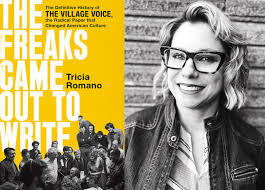 In this week’s TalkCocktail podcast, Nicholas Kristof, long-time NY Times journalist and two-time Pulitzer Prize winner, talks to me about his new memoir, "Chasing Hope." He takes me on a deeply personal journey through a career spanning more than four decades. Kristof's unwavering commitment to exposing injustice and giving voice to the voiceless has taken him to the far corners of the globe, from the front lines of conflicts to the heart of humanitarian crises, as he has borne witness to some of the most significant events of our time.
Jun 13, 2024
Jun 13, 2024
35 min
 Like every social construct, espeically those impacting women, the divorce landscape is changing. and as usual, California is setting the path. After all, California was the first state to introduce no-fault divorce in 1970 under then-Gov. Ronald Reagan, and celebrity divorces make lots of headlines. My guest on this California Sun podcast, Lauren Petkin, has been practicing family law in Los Angeles for 36 years. She lays out today's divorce landscape, including mediation vs. litigation, the rise in prenups, collaborative divorce, alimony reforms, and the use of private judges.
May 29, 2024
May 29, 2024
34 min
 There is still hope for local news. Over the years, the Pulitzer Prize for “breaking news reporting” has typically been awarded to major legacy media brands. However, this year a hyperlocal online publication, the Santa Cruz Lookout, received the prestigious honor for its coverage of the once-in-a-century floods that devastated Santa Cruz in January 2023. On this week’s California Sun podcast I talk with Ken Doctor, who founded the Lookout in 2020, details how the newsroom covered the floods, and how it has emerged as a potential model for the future of local journalism.
May 29, 2024
May 29, 2024
30 min
 Can elections be predicted like hurricanes or sporting events? American University professor Allan Lichtman believes so, and he has the track record to prove it. Using his unique “13 Keys to the White House” system, Lichtman has, according to him, correctly predicted the outcome of 10 out of the last 10 presidential elections.
In this episode of my WhoWhatWhy podcast, I talk with Lichtman to unpack his groundbreaking method, which goes beyond fleeting polling numbers to consider the complex interplay of 13 immutable forces that, he says, determine who will occupy the Oval Office.
May 23, 2024
May 23, 2024
32 min
 Like a shark, if we don't keep moving forward, we die. James Pethokoukis, a renowned economic policy expert, shares insights from his groundbreaking work, "The Conservative Futurist." Pethokoukis presents a captivating vision of a future where technological advancements and environmental preservation harmoniously coexist. Where the intersection of technology, culture, and politics, and discovery join to embrace a bold, future-oriented mindset. One that could lead us to a world of abundance and wonder.
May 20, 2024
May 20, 2024
31 min
 In "The Guarantee," Natalie Foster argues that our current economic system is failing too many Americans, despite signs of growth. As millennials and Gen Z build wealth amidst the greatest transfer of wealth in history, stubborn pockets of economic stagnation persist.
Foster explores what it would take to create an economy that works for everyone, questioning whether the government should guarantee basic rights like housing, healthcare, education, and a living wage. Drawing on mainstream and heterodox ideas, she passionately argues for a radical rethinking of the relationship between government, the economy, and the people, viewing guaranteed economic rights as an urgent necessity.
May 14, 2024
May 14, 2024
34 min
 On this week’s WhoWhatWhy podcast, I sit down with the lead author of that report, military sociologist Marek N. Posard, to examine these alarming threats and what we can do to counter them.
Imagine a small, seemingly innocuous hack on a local water treatment plant. A carefully timed disinformation campaign, powered by the latest in artificial intelligence. The physical security of our voting machines compromised. Suddenly, we have the perfect storm that could bring down the integrity of the entire 2024 presidential election and our democracy along with it
This isn’t just a hypothetical scenario — it’s a very real possibility outlined in a chilling new report from the RAND Corporation, titled, The 2024 U.S. Election, Trust, and Technology: Preparing for a Perfect Storm of Threats to Democracy.
May 14, 2024
May 14, 2024
39 min
 On thisWhoWhatWhy podcast, we explore the potential for a total reimagining of our beleaguered American democracy.
Joining me is Maxwell Stearns, a professor of law at the University of Maryland Carey School of Law. An esteemed author of numerous articles and books on the Constitution, the Supreme Court, and legal economics, Stearns’s latest work is Parliamentary America: The Least Radical Means of Radically Repairing Our Broken Democracy.
May 7, 2024
May 7, 2024
31 min
 Climate change is not just threatening our planet, but also our minds. In my WhoWhatWhy podcast, I examine the hidden mental health crisis triggered by climate change with neuroscientist-turned-environmental-journalist Clayton Page Aldern.
Aldern takes us on an eye-opening journey through cutting-edge research, exposing the ways our changing environment is physically altering our brains and behavior. From cognitive impairment sparked by rising temperatures to the psychological aftermath of natural disasters, he paints a haunting portrait of a crisis that has been largely ignored.
A Rhodes scholar who holds advanced degrees in neuroscience and public policy from the University of Oxford, Aldern is a research affiliate at the Center for Studies in Demography and Ecology and the author of the new book The Weight of Nature: How a Changing Climate Changes Our Brains.
May 1, 2024
May 1, 2024
32 min
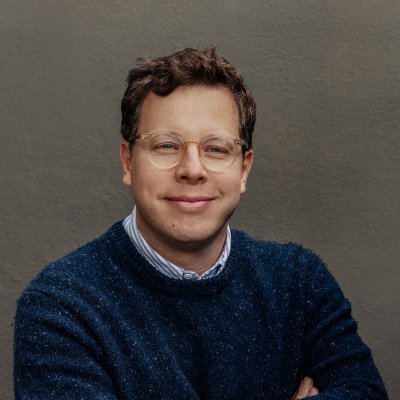 Max Podemski is an urban planner, writer, and illustrator who currently serves as a transportation planner for the city of Los Angeles. In his new book, “A Paradise of Small Houses,” he traces the evolution of American housing types, from the Philadelphia row house and Chicago workers cottage to the California bungalow. Podemski argues, in my recent California Sun podcast, that California’s rich history of desirable multifamily housing could hold a solution to the state’s housing crisis.
Apr 25, 2024
Apr 25, 2024
23 min
 In today's digital era, the unseen threads of algorithms intricately weave through our daily lives. They significantly mold our preferences, decisions, and worldviews. At the core of our modern digital experiences, algorithms curate almost every aspect of our online existence—from the articles we read to the music that we listen to and even the social interactions we engage in. This pervasive influence has subtly streamlined cultural diversity and complexity, ushering us into a domain that my guest, Kyle Chayka, aptly terms "Filterworld."
In this realm, our experiences are increasingly filtered through algorithmic formulas, aiming not just to predict but to shape our desires. The result is an online landscape that often leads to a uniform culture, devoid of the chaos and ingenuity that fuel human creativity.
Apr 22, 2024
Apr 22, 2024
41 min
 Between the shimmer of America’s coastlines an inferno of anger and disillusionment consumes the heartland. This week’s WhoWhatWhy podcast explores this social and political divide with Tom Schaller and Paul Waldman, guided by their book, White Rural Rage.
Armed with journalistic insight and scholarly acumen, Schaller and Waldman unpack the reality of white rural America’s turmoil. They argue that Trump’s MAGA movement transcends a mere campaign catchphrase to symbolize the deep-seated rage of communities ensnared by economic decay, technological neglect, and cultural isolation.
Apr 11, 2024
Apr 11, 2024
33 min
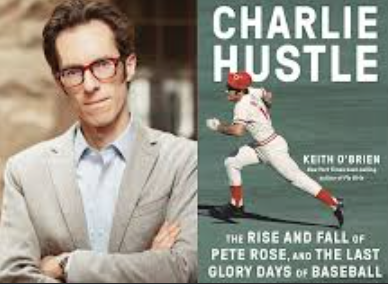 Sports gambling is a multi-billion-dollar business, with 38 states legalizing sports betting. The story of Shohei Ohtani's interpreter reminds us that sports and betting can still be a dangerous mix. And yet, Las Vegas, the betting and sports capital, was the home of this year's Super Bowl. Against this backdrop, the story of Pete Rose becomes even more poignant.
Bestselling author Keith O'Brien's latest book, "Charlie Hustle," offers a captivating chronicle of Rose, one of baseball's most iconic and controversial figures. From a working-class kid to the pinnacle of baseball glory, Rose's journey and his dramatic fall from grace due to gambling scandals reflect a changing America and its beloved pastime. O'Brien's narrative delves deep into the complexities of Rose's character, exploring how he became the center of a storm that changed not only his life but also the fabric of the game of baseball.
Apr 8, 2024
Apr 8, 2024
33 min
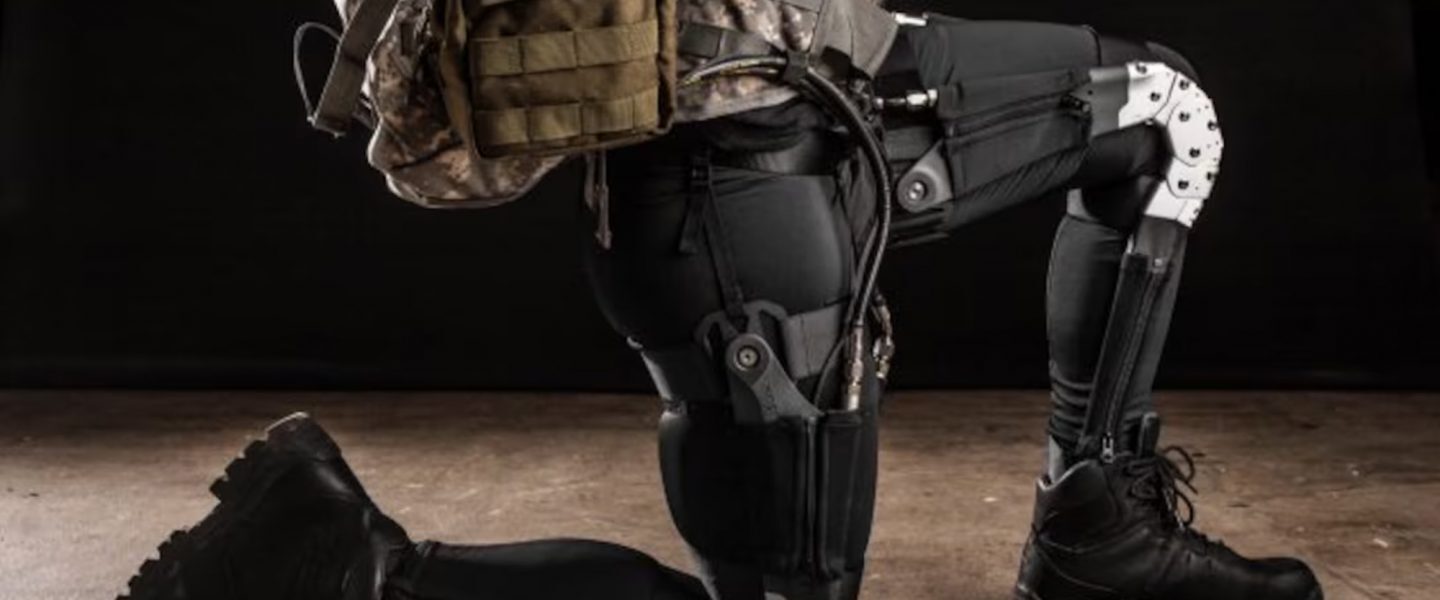 In this WhoWhatWhy podcast, I’m joined by national security journalist Andrew Cockburn. He exposes the little- known links between the Pentagon’s military-technology complex at the dark heart of Silicon Valley.
Drawing from his recent cover story for Harper’s, entitled “The Pentagon’s Silicon Valley Problem,” Cockburn delves into the military’s controversial alliance with tech behemoths.
This collaboration ropes in some of Silicon Valley’s most contentious figures, such as Peter Thiel and Palmer Luckey, further complicating the moral implications of this union.
Apr 4, 2024
Apr 4, 2024
29 min
The Village Voice existed at a unique moment in journalistic history. My guest, journalist Tricia Romano, has penned 'The Freaks Came Out to Write,' the definitive oral history of The Village Voice. It was a publication that not only captured but also shaped the zeitgeist of New York City from the paper's inception in 1955 until its closure in 2018.
The Voice was more than a newspaper; it was a cultural beacon, a meeting point of news, culture, and lifestyle, embodying the ever-evolving spirit of the city. It's one of those rare instances where a city and a publication converge to capture something unique in the annals of journalism, akin to Playboy and Chicago in the '50s, Rolling Stone and San Francisco in the '60s, and Texas Monthly defining the so-called New South of the '70s.
Mar 20, 2024
Mar 20, 2024
22 min
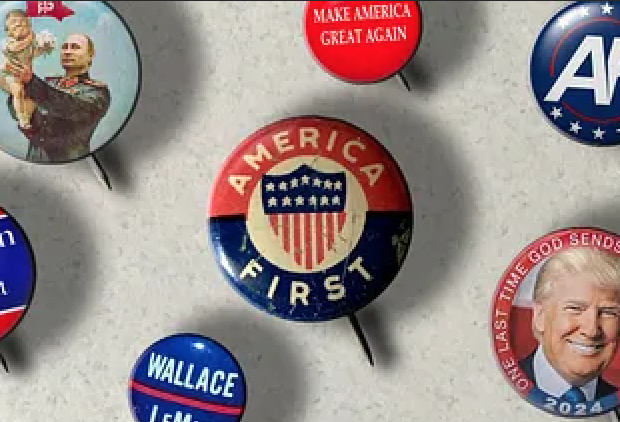 A recent suggestion for a bumper sticker reading “Trump First, Putin Second, America Last” is more than just a witty jab at current political dynamics; it encapsulates the historical depth of right-wing politics in the United States.
On thisWhoWhatWhy podcast I’m joined by Jacob Heilbrunn, editor of The National Interest, who offers a compelling analysis of the right wing’s enduring fascination with authoritarian figures.
Drawing on his latest work, America Last: The Right’s Century-Long Romance With Foreign Dictators, Heilbrunn helps us understand the conservative admiration for past autocrats like Mussolini, Franco, and Pinochet. He draws a direct line from these historical figures to today’s political landscape, where figures like Viktor Orban, Donald Trump, and Vladimir Putin are seen not just as authoritarian leaders but as exemplars in the fight against liberalism and progressivism.
Mar 12, 2024
Mar 12, 2024
30 min
Professor Melissa Kearney, talks to me about the overlooked economic and social impacts of marriage and family structures and her book, "The Two-Parent Privilege." Kearney's research reveals the decline in marriage rates, particularly among non-college graduates, as an economic crisis with far-reaching consequences. She argues that the decrease in two-parent households, from 77% in 1980 to 63% today, affects children's behavior, education, and the class divide. Kearney emphasizes the economic imperatives of this issue, moving beyond the traditional cultural and political debates.
Mar 7, 2024
Mar 7, 2024
32 min
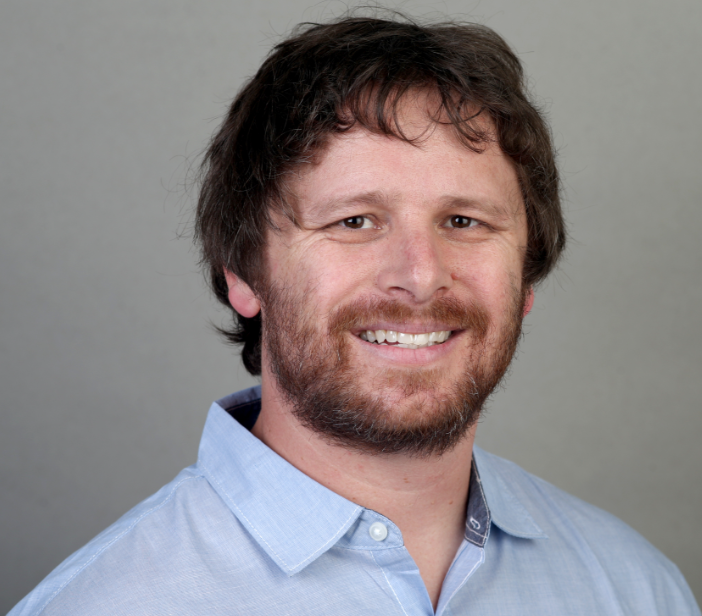 Matthias Gafni, an investigative reporter for the San Francisco Chronicle, delves into the darkest corners of the streets of San Francisco. For a recent project, he attempted to attribute names, faces, and families to 24 overdose deaths during a particularly harrowing week in 2023. They were not mere statistics but individuals with stories: a recent immigrant dreaming of a new life; a star student and athlete; a mechanic striving to escape his past, among others. Each narrative sheds light on the complex interplay of drug use, mental illness, and profound, systemic issues fueling the city’s drug crisis.
Feb 21, 2024
Feb 21, 2024
30 min
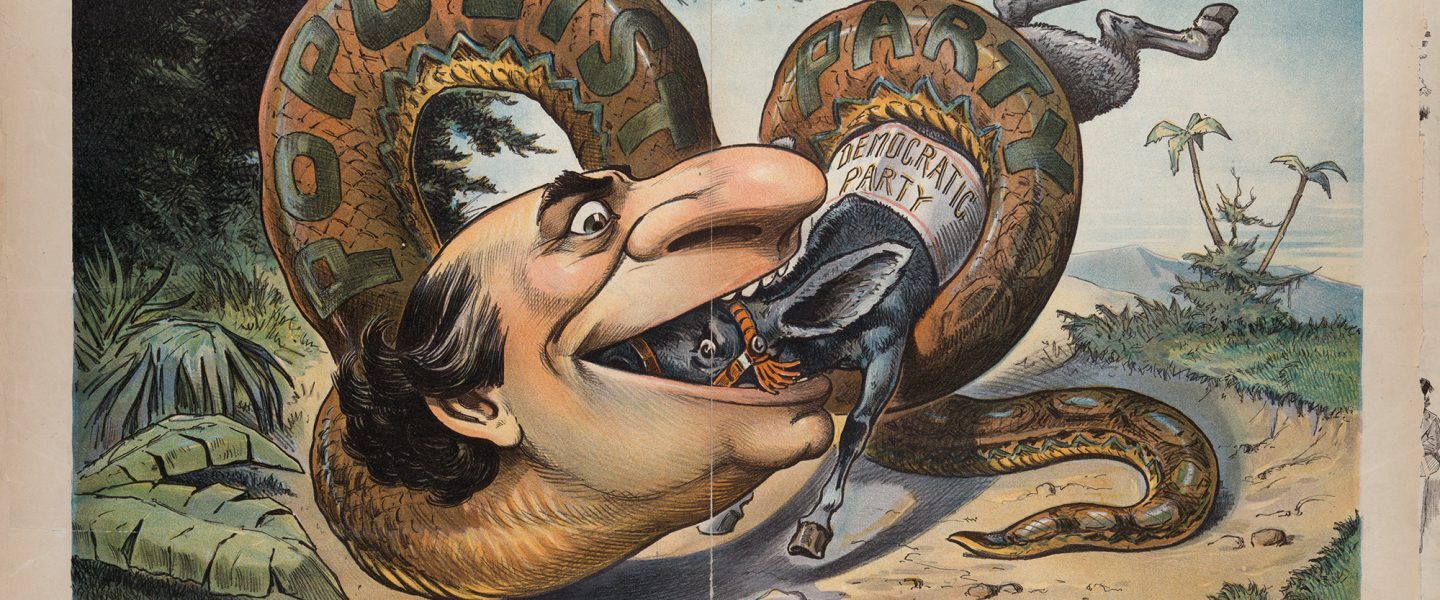 As we look at the global political landscape, we see a resurgence of movements labeled as populist. Propelled by rapid social and technological changes, economic upheavals, and complex migration patterns, people around the world are in search of simple solutions to increasingly complex problems. This week my guest on the WhoWhatWhy podcast Steve Babson, argues that this represents a serious misinterpretation of the concept of populism.
Feb 12, 2024
Feb 12, 2024
34 min
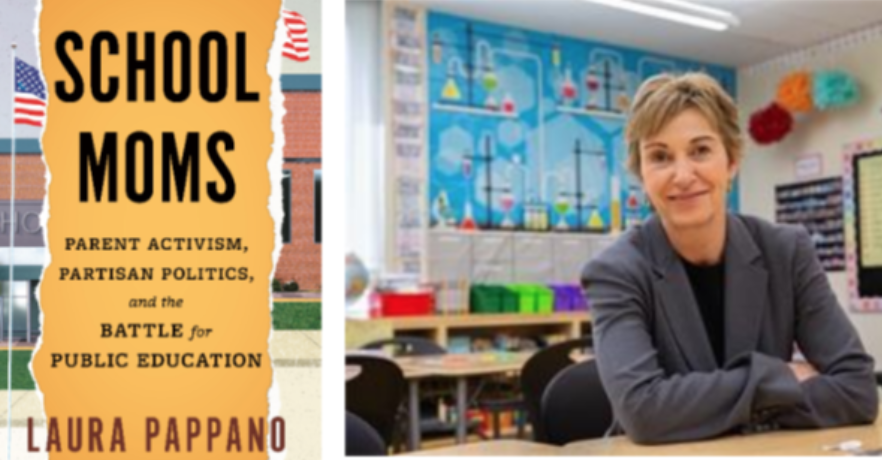 In this podcast, I welcome Laura Pappano, author of "School Moms: Parent Activism, Partisan Politics, and the Battle for Public Education," to explore the intense politicization of American public schools. Pappano, with over thirty years of experience, delves into the far-right's efforts to control education, highlighting the shift from parental support to activism amidst challenges like local school failures and the pandemic. This conversation sheds light on the battle for the soul of our nation, emphasizing the critical role of public schools in democratic society and the ongoing fight to preserve them as a cornerstone of inclusion, hope, and belonging.
Feb 1, 2024
Feb 1, 2024
31 min
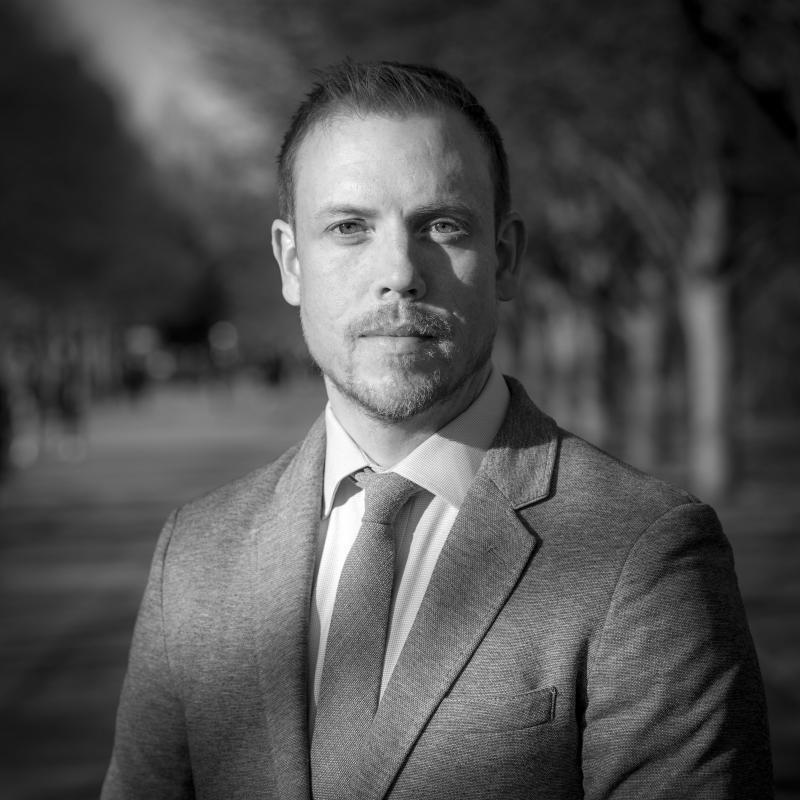 Do we have the control over our own lives that we think we do? According to Brian Klaas, in his mind-bending new book FLUKE: Chance, Chaos, and Why Everything We Do Matters, we control nothing, but we influence everything.
Think about the unexpected twists of fate that shape our lives. How many times have you stumbled upon a life-changing moment purely by accident? The party you almost skipped, where you met your significant other or a lifelong friend. Or that time you got lost in a neighborhood, only to find your future home. And in a more somber reflection, those who, by sheer chance, overslept or got stuck in traffic and missed their flights on September 11th.
We operate under what Klaas calls the 'delusion of individualism.' But it’s small changes in the world that often result in big changes."
Jan 29, 2024
Jan 29, 2024
27 min
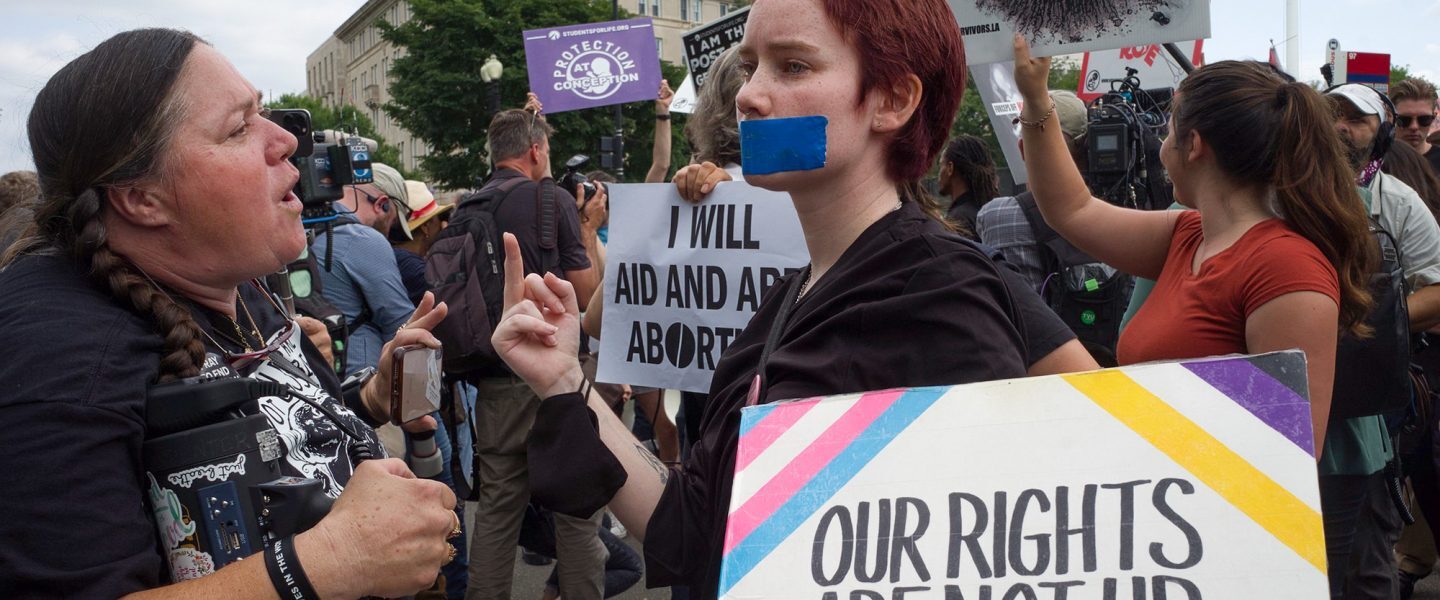 In this week’s WhoWhatWhy podcast — marking the 51st anniversary of Roe v. Wade — I talk with Felicia Kornbluh, professor of history and gender studies at the University of Vermont. In our far-ranging conversation, we delve into significant shifts in the battle for reproductive rights following the Dobbs decision.
Kornbluh, drawing insights from her book, A Woman’s Life Is a Human Life, sheds light on the resurgence of effective activism in states like California, Ohio, and Kansas.
She explores how this wave of reproductive rights activism, ignited by Dobbs, is emerging as a key driver of political participation in 2024, potentially impacting the upcoming elections at local, state, and federal levels.
Jan 25, 2024
Jan 25, 2024
28 min
 In a rapidly changing media landscape, where giants like Conde Nast, the Los Angeles Times, Sports Illustrated, and the Washington Post face massive layoffs, the very nature of news is transforming and it’s impacting our democracy.
I talk with Mickey Huff, director of Project Censored, about the critical state of the media, who’s to blame and about his book "STATE OF THE FREE PRESS 2024." We delve into the top 25 underreported stories of 2023, and examine how corporate and political influences shape news reporting today.
Jan 22, 2024
Jan 22, 2024
31 min
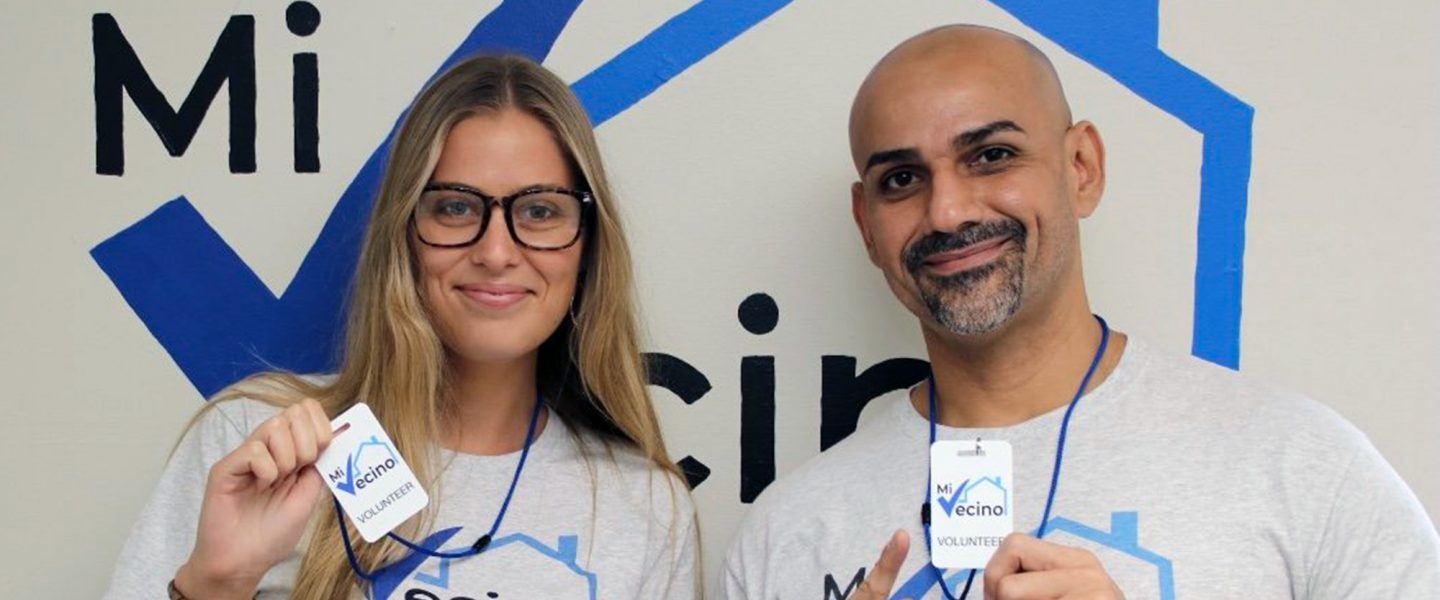 Amid widespread concern about our politics, young, passionate individuals like Devon Murphy-Anderson and Alex Berrios are making a significant impact. In this week’s WhoWhatWhy podcast, we delve into their efforts to turn Florida blue.
Murphy-Anderson and Berrios, through their initiative Mi Vecino, are revitalizing the grassroots political scene in Florida. They’re particularly focused on engaging Latino and Hispanic voters, not just during election cycles but throughout the year. They explain how this approach marks a departure from traditional, election-focused voter contact strategies.