
Jeff Schechtman talks with authors, journalists, and thought leaders.
Episodes
Mar 3, 2011
Mar 3, 2011
26 min
 Some people try and predict the future, others simply invent it and still others make those inventions possible. If it’s true that it is entrepreneurs that drive the future, then there are no more important players then the men who coach, invest and are the allies of those entrepreneurs. One of the stars and pioneers of this field is William H. Draper III. For more than forty years he has been a linchpin of the Silicon Valley, where he has turned others entrepreneurial vision, into tomorrow's reality. In this new book The Startup Game: Inside the Partnership between Venture Capitalists and Entrepreneurs,
Mar 3, 2011
Mar 3, 2011
20 min
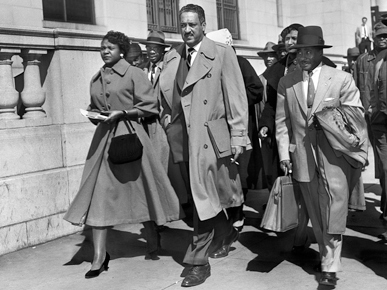 Long before Martin Luther King efforts, before the Civil Rights Act, or Brown vs. Board of Education, much of the intellectual heft of the effort to achieve racial equality was carried by one man. An aggressive young attorney for the NAACP who fought tirelessly to combat racism, who evolved in his own views and upon whose shoulders rested much of the legal bedrock of the Civil Rights movement. Look before he moved to the Supreme Court, Thurgood Marshall would seek to find a legal as well as a moral reason for justice. Professor Michael G. Long, gives us a unique insight into this amazing man in Marshalling Justice: The Early Civil Rights Letters of Thurgood Marshall
Mar 1, 2011
Mar 1, 2011
22 min
 The war in Afghanistan is now America's longest war. The 2014 completion of mission still remains years into the future. Yet after all of this, there still seems to be a lack of clarity about our objectives and and about how we might achieve them. We seemed to have broken the momentum of the Taliban. The people don’t seem to want to live under Taliban rule, but neither do they want American rule. There seems to be no "what’s next." We say we don’t want to “nation build”, bet we’re supporting and helping to build up a corrupt and irrelevant central government. Like Vietnam, we say we want to win the hearts and minds of the people, yet what price does this objective have on the warrior ethos we expect of our military? In short, how do we exit Afghanistan, with clear goals, honestly obtained and most of all what can we learn that really can help us fight the next war?
Bing West, a former Marine combat veteran, a former assistant Secretary of Defense and brilliant chronicler of war, shares his insights into Afghanistan in The Wrong War: Grit, Strategy, and the Way Out of Afghanistan
The war in Afghanistan is now America's longest war. The 2014 completion of mission still remains years into the future. Yet after all of this, there still seems to be a lack of clarity about our objectives and and about how we might achieve them. We seemed to have broken the momentum of the Taliban. The people don’t seem to want to live under Taliban rule, but neither do they want American rule. There seems to be no "what’s next." We say we don’t want to “nation build”, bet we’re supporting and helping to build up a corrupt and irrelevant central government. Like Vietnam, we say we want to win the hearts and minds of the people, yet what price does this objective have on the warrior ethos we expect of our military? In short, how do we exit Afghanistan, with clear goals, honestly obtained and most of all what can we learn that really can help us fight the next war?
Bing West, a former Marine combat veteran, a former assistant Secretary of Defense and brilliant chronicler of war, shares his insights into Afghanistan in The Wrong War: Grit, Strategy, and the Way Out of Afghanistan
Mar 1, 2011
Mar 1, 2011
21 min
 We know from watching Wisconsin and the events in neighboring states, that public sector unions have become political whipping posts for Republican politicians, especially Governors. But where Wisconsin’s Gov. Walker may have overreached and seems politically tone deaf and Arnold Schwarzenegger was to timid here in California; New Jersey’s Governor Chris Christie may have found the sweat spot, as the pitch perfect spokesmen to an electorate fed up with the rising salaries and perks of public employees and their unions.
In so doing, he may actually have a chance to move his state forward, reduce deficits, and engage in endless bloody battles, while becoming more popular in the process. Is he a model for other politicians, or just a big bully who knows how to craft a message? All of this is part of the Cover Story in this past Sunday's N.Y Times Magazine, by one of the best political reporters in America, Matt Bai. Matt is the new Chief Political Correspondent for The Magazine. My conversation with Matt Bai about Gov. Chris Christie:
We know from watching Wisconsin and the events in neighboring states, that public sector unions have become political whipping posts for Republican politicians, especially Governors. But where Wisconsin’s Gov. Walker may have overreached and seems politically tone deaf and Arnold Schwarzenegger was to timid here in California; New Jersey’s Governor Chris Christie may have found the sweat spot, as the pitch perfect spokesmen to an electorate fed up with the rising salaries and perks of public employees and their unions.
In so doing, he may actually have a chance to move his state forward, reduce deficits, and engage in endless bloody battles, while becoming more popular in the process. Is he a model for other politicians, or just a big bully who knows how to craft a message? All of this is part of the Cover Story in this past Sunday's N.Y Times Magazine, by one of the best political reporters in America, Matt Bai. Matt is the new Chief Political Correspondent for The Magazine. My conversation with Matt Bai about Gov. Chris Christie:
Feb 25, 2011
Feb 25, 2011
26 min
 . My conversation with Grace Elizabeth Hale:
 Feb 24, 2011
Feb 24, 2011
30 min

 . My conversation with Edward Glaeser:
Feb 23, 2011
Feb 23, 2011
21 min
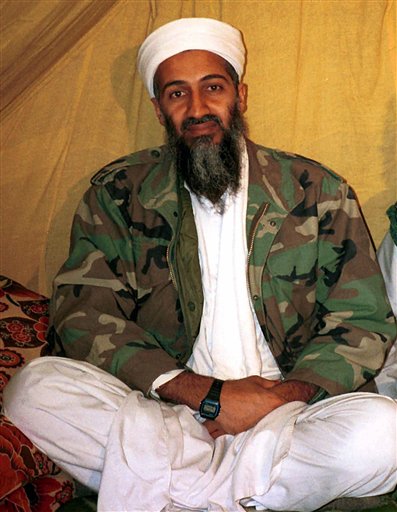 It would seem that the remarkable events that are taking place in the Middle East may have finally placed 9/11 into some kind of historical context. The underpinnings of the Iraq war, the war in Afghanistan and the overall war on terror, may be morphing into a new, smarter and more careful use of American power. If this is true, then where does Osama Bin Laden fit into the equation? Is he still relevant, does his presence still matter and should he even be a focus of American and Western efforts? Michael Scheuer, counterterrorism analyst and former chief of the CIA's bin Laden Unit thinks he still does matter. My conversation with Michael Scheuer:
Feb 23, 2011
Feb 23, 2011
24 min

 . My conversation with Lisa Napoli:
Feb 19, 2011
Feb 19, 2011
22 min
 The world is a dramatically changing place. Recent events in Egypt and Tunisia show that tweets and can sometimes have the power of tanks. We see that soft power has a lower barrier to entry, but as in Iran, it can still be overtaken by repression. Non State ctors play a larger and larger role in the power dynamic of the world. Some for good and some for evil. If America is to continue to try and sit astride the world, how do we and our leaders adapt to these changing dynamics as power shifts, becomes more diffuse, and far more complex in its expression.
Joseph Nye, one of our leading foreign policy experts, former dean of the JFK School of Government at Harvard, former State Department and National Security Council official, has been following these changing dynamics for over 30 years. He explains the latest developments in his new book The Future of Power
The world is a dramatically changing place. Recent events in Egypt and Tunisia show that tweets and can sometimes have the power of tanks. We see that soft power has a lower barrier to entry, but as in Iran, it can still be overtaken by repression. Non State ctors play a larger and larger role in the power dynamic of the world. Some for good and some for evil. If America is to continue to try and sit astride the world, how do we and our leaders adapt to these changing dynamics as power shifts, becomes more diffuse, and far more complex in its expression.
Joseph Nye, one of our leading foreign policy experts, former dean of the JFK School of Government at Harvard, former State Department and National Security Council official, has been following these changing dynamics for over 30 years. He explains the latest developments in his new book The Future of Power
Feb 18, 2011
Feb 18, 2011
14 min
 Over the past 60 years millions and millions of words have been written abut the conflicts between Israelis and Palestinians. The net result of most of those words has been to perpetuate the conflict. Yet if we focus on one story, a very personal story, of one man, truly dedicated to healing and to peace, we learn a great deal more.
In January of 2009, Dr. Izzeldin Abuelaish experienced something that would destroy most men. Something that would unleash the worst of human impulses. Dr. Abeelaish was a rarity, a Gazan, who was at home among Israelis. That is until Israeli shells recklessly killed three of his daughters and his nieces. Yet he transcended that, and in so doing perhaps became a symbol of the humanity of man and for the hope that still, to this day, drives people to seek peace. He writes about his experiences in his memoir I Shall Not Hate: A Gaza Doctor's Journey on the Road to Peace and Human Dignity
Over the past 60 years millions and millions of words have been written abut the conflicts between Israelis and Palestinians. The net result of most of those words has been to perpetuate the conflict. Yet if we focus on one story, a very personal story, of one man, truly dedicated to healing and to peace, we learn a great deal more.
In January of 2009, Dr. Izzeldin Abuelaish experienced something that would destroy most men. Something that would unleash the worst of human impulses. Dr. Abeelaish was a rarity, a Gazan, who was at home among Israelis. That is until Israeli shells recklessly killed three of his daughters and his nieces. Yet he transcended that, and in so doing perhaps became a symbol of the humanity of man and for the hope that still, to this day, drives people to seek peace. He writes about his experiences in his memoir I Shall Not Hate: A Gaza Doctor's Journey on the Road to Peace and Human Dignity
Feb 17, 2011
Feb 17, 2011
23 min

Feb 16, 2011
Feb 16, 2011
27 min
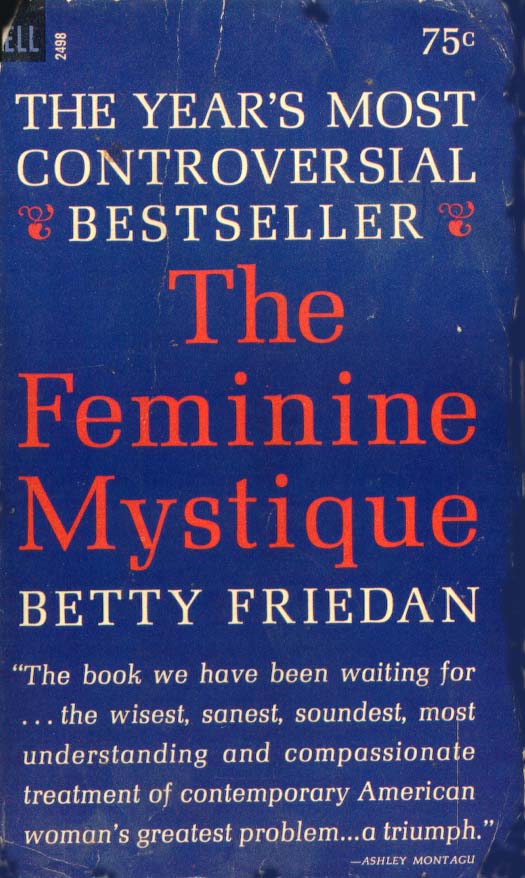 Many think of the late 1960’s and early 70’s as the source of the great cultural shifts from the post WWII traditions, to the more individualistic world of today. In fact, for woman those changes happened long before. The approval of the birth control pill in 1959 and the publication of Betty Fridan's "Feminine Mystique" in 1963 were the real watersheds. Certainly we've seen in the fictional lives of April Wheeler in Revolutionary Road and Betty Draper in Mad Men, the essence of the stirrings of that time.
Friedan was certainly not the first feminist of her time, nor did she provide a manifesto for change. Rather, she gave voice the the feelings and ideas of a whole generation of middle class woman. Those ideas would reshape the fabric of our social landscape for years to come and are arguably the antecedents of some of the issues we're still grappling with today. Best selling author and Professor Stephanie Coontz takes us back to the time of A Strange Stirring: The Feminine Mystique and American Women at the Dawn of the 1960s
Many think of the late 1960’s and early 70’s as the source of the great cultural shifts from the post WWII traditions, to the more individualistic world of today. In fact, for woman those changes happened long before. The approval of the birth control pill in 1959 and the publication of Betty Fridan's "Feminine Mystique" in 1963 were the real watersheds. Certainly we've seen in the fictional lives of April Wheeler in Revolutionary Road and Betty Draper in Mad Men, the essence of the stirrings of that time.
Friedan was certainly not the first feminist of her time, nor did she provide a manifesto for change. Rather, she gave voice the the feelings and ideas of a whole generation of middle class woman. Those ideas would reshape the fabric of our social landscape for years to come and are arguably the antecedents of some of the issues we're still grappling with today. Best selling author and Professor Stephanie Coontz takes us back to the time of A Strange Stirring: The Feminine Mystique and American Women at the Dawn of the 1960s
Feb 15, 2011
Feb 15, 2011
31 min
 Young women today are succeeding at geometric rates. The number of young women graduating from colleges, from law schools and graduate schools is far out stripping young men. Women are succeeding in a remarkable range of careers, including politics and corporate boardrooms, heretofore places built with the proverbial glass ceiling.
Yet paralleling all of this is a culture that is encouraging young girls to wrap themselves up in the pink accouterments of ultra-girlie, princess culture and then to later enter a cultural of extreme sexualization. How can all of these facts be true at the same time? What’s happening they creates this apparent contradiction in the lives of young women? Journalist and best selling author Peggy Orenstein tries to put all of this in perspective in her new book Cinderella Ate My Daughter: Dispatches from the Front Lines of the New Girlie-Girl Culture
Young women today are succeeding at geometric rates. The number of young women graduating from colleges, from law schools and graduate schools is far out stripping young men. Women are succeeding in a remarkable range of careers, including politics and corporate boardrooms, heretofore places built with the proverbial glass ceiling.
Yet paralleling all of this is a culture that is encouraging young girls to wrap themselves up in the pink accouterments of ultra-girlie, princess culture and then to later enter a cultural of extreme sexualization. How can all of these facts be true at the same time? What’s happening they creates this apparent contradiction in the lives of young women? Journalist and best selling author Peggy Orenstein tries to put all of this in perspective in her new book Cinderella Ate My Daughter: Dispatches from the Front Lines of the New Girlie-Girl Culture
Feb 14, 2011
Feb 14, 2011
15 min
 One only has to look at the range of reactions to the Egyptian crises to understand the scope of foreign policy ideology. From the cautious, measured reaction of the White House to the lunatic rantings of Glen Beck, each reflects a particular school of thought, a kind of theoretical paradigm through which to see the world.
Imagine if this applied to an invasion from Zombies. If the Zombies showed up tomorrow, what would our official national position be on the undead? What might be the social, political and foreign policy considerations and most of all how would the Zombie threat effect Israel?
This is the fundamental idea behind Tuft's foreign policy Professor Dan Drezner’s new book Theories of International Politics and Zombies
One only has to look at the range of reactions to the Egyptian crises to understand the scope of foreign policy ideology. From the cautious, measured reaction of the White House to the lunatic rantings of Glen Beck, each reflects a particular school of thought, a kind of theoretical paradigm through which to see the world.
Imagine if this applied to an invasion from Zombies. If the Zombies showed up tomorrow, what would our official national position be on the undead? What might be the social, political and foreign policy considerations and most of all how would the Zombie threat effect Israel?
This is the fundamental idea behind Tuft's foreign policy Professor Dan Drezner’s new book Theories of International Politics and Zombies
Feb 11, 2011
Feb 11, 2011
25 min
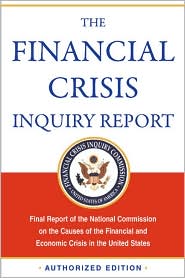 As each day goes by, we take another step towards recovery from the financial crisis that almost took down America's and the world's economies. Now, with time, we have the luxury of thinking about what really happened and why. The recent report of the Financial Crisis Inquiry Commission, put in place by the President and approved by Congress, is a step in that direction. Although the report and analysis was divided along partisan lines, its 500+ pages of facts have not been disputed and gives us a sold basis to continue discussing what happened and how we might avoid such crises in the future.
Byron Georgiou was a member of that commission, and talks to me about the recently released Financial Crisis Inquiry Report .
As each day goes by, we take another step towards recovery from the financial crisis that almost took down America's and the world's economies. Now, with time, we have the luxury of thinking about what really happened and why. The recent report of the Financial Crisis Inquiry Commission, put in place by the President and approved by Congress, is a step in that direction. Although the report and analysis was divided along partisan lines, its 500+ pages of facts have not been disputed and gives us a sold basis to continue discussing what happened and how we might avoid such crises in the future.
Byron Georgiou was a member of that commission, and talks to me about the recently released Financial Crisis Inquiry Report .
Feb 11, 2011
Feb 11, 2011
24 min
 Among all the problems that young people need worry about today, perhaps the one that will haunt them the longest are the issues of Global Warming and Climate Change. Environmental writer, Mark Hertsgaard, in his new book Hot: Living Through the Next Fifty Years on Earth
Feb 9, 2011
Feb 9, 2011
22 min
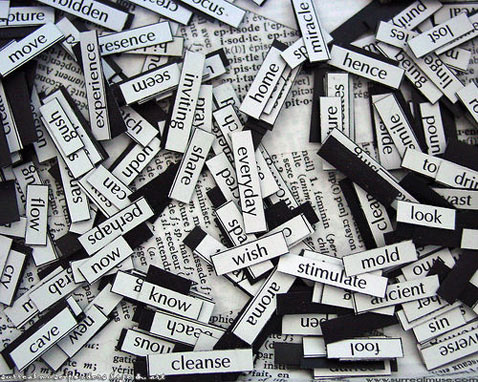
 My conversation with Professor Stanley Fish:
Feb 7, 2011
Feb 7, 2011
26 min
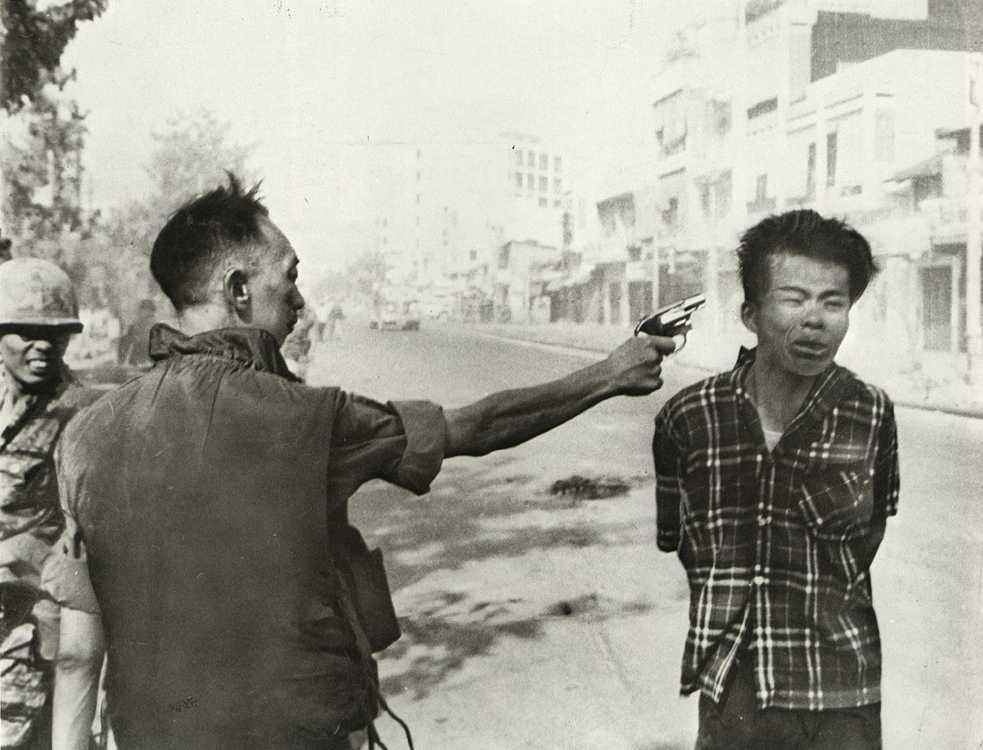 This past week, as we've watched events unfold in Egypt, we couldn’t help but be moved by some of he powerful photographic images, some of violence and even death. In fact, iconic images of death, images such as those from Vietnam, 9/11 and Dallas, to name a few, are images that will be with us forever, they are in fact seared into our collective consciousness. Powerful and emotional as these image are, what impact do they have on our rational view of events? Do they enhance or distract? Do they provide facts, or sometimes distract from the real story and context. These questions are tackled by Barbie Zelizer in her book About to Die: How News Images Move the Public. Zelizer is the Chair of Communication and the Director of the Scholars Program in Culture and Communication at the Annenberg School for Communication at the University of Pennsylvania. My conversation with Barbie Zelizer:
Feb 7, 2011
Feb 7, 2011
24 min
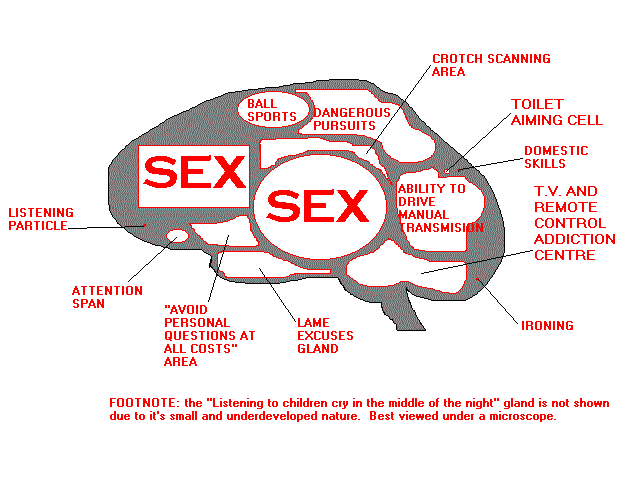 Back in the 60’s and early 70’s we harbored a fantasy about a gender neutral world. We thought that, if only we gave dolls to boys and guns to girls, we could turn back the clock on culturalization and achieve a kind of equality in the battle of the sexes.
Modern science, about 35 years of research, and common sense have now prevailed and we know that none of this is true. Our gender differences are not only hard wired into us by evolutionary and neurological biology, but those differences also provide a diversity and difference that enhances our relationships and the work we do. If only we could figure out a way to get along! This is the work of Dr. Luann Brizendine who has served on the medical faculty of both Harvard and UCSF. This the author of the bestselling "The Female Brain." Now she turns her attention to The Male Brain
Back in the 60’s and early 70’s we harbored a fantasy about a gender neutral world. We thought that, if only we gave dolls to boys and guns to girls, we could turn back the clock on culturalization and achieve a kind of equality in the battle of the sexes.
Modern science, about 35 years of research, and common sense have now prevailed and we know that none of this is true. Our gender differences are not only hard wired into us by evolutionary and neurological biology, but those differences also provide a diversity and difference that enhances our relationships and the work we do. If only we could figure out a way to get along! This is the work of Dr. Luann Brizendine who has served on the medical faculty of both Harvard and UCSF. This the author of the bestselling "The Female Brain." Now she turns her attention to The Male Brain
Feb 3, 2011
Feb 3, 2011
24 min
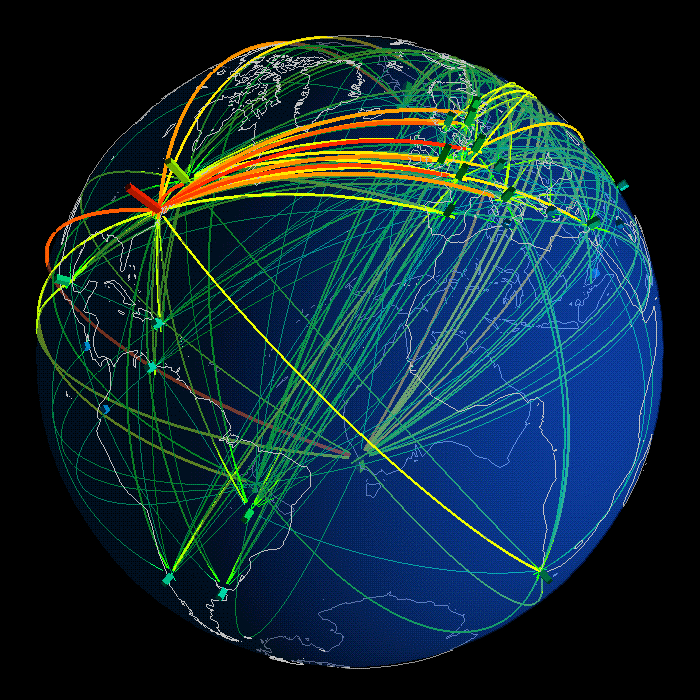 As we wake up each morning to a new geopolitical crises, in countries we usually don’t think about very often, it's more important then ever to understand how the world works. We talk about globalization and a border-less world, yet their are more nation states and political borders then ever before. Here at home we hear criticism of trans-national corporations, yet where do we think that the jobs will come from, to move much of the world out of poverty.
While we look for the proverbial magic bullet or individual that will solve all of our problems, the fact is, the world is far to complex a place for that. To face our problems today will require openness, acceptance, pragmatism and vision. Few people bring more of those qualities then Parag Khanna, senior research fellow at the New America Foundation and the author of How to Run the World: Charting a Course to the Next Renaissance
As we wake up each morning to a new geopolitical crises, in countries we usually don’t think about very often, it's more important then ever to understand how the world works. We talk about globalization and a border-less world, yet their are more nation states and political borders then ever before. Here at home we hear criticism of trans-national corporations, yet where do we think that the jobs will come from, to move much of the world out of poverty.
While we look for the proverbial magic bullet or individual that will solve all of our problems, the fact is, the world is far to complex a place for that. To face our problems today will require openness, acceptance, pragmatism and vision. Few people bring more of those qualities then Parag Khanna, senior research fellow at the New America Foundation and the author of How to Run the World: Charting a Course to the Next Renaissance
Feb 1, 2011
Feb 1, 2011
24 min
 If the first rule of medicine is “do no harm,” the second rule might very well be "do not over diagnose." If all of our gleaming technology is now able to monitor even the most minute changes in our physical condition, can respondeding to those changes do more harm then good. In short, does the holy grail of preventative medicine really prevent disease or just spark unwanted treatment and often harmful consequences? This is the question posed by Dr. Gilbert Welch, professor at the Dartmouth Institute for Health Policy and Clinical Practice, and the co-author of Overdiagnosed: Making People Sick in the Pursuit of Health
Jan 31, 2011
Jan 31, 2011
26 min
 Today I took a journey to the outer edges of physics and cosmology. A world of precise mathematics but striking imagination. A world where not one, but many universes may exist. A world of theory, but also a world of deeps laws. A place where everything is different, but the goal is to find out how everything is, in fact, the same. It’s a world in which renowned physicist and mathematician Brian Greene lives. In his new work The Hidden Reality, he takes us all there. My conversation with Brian Greene:
Jan 28, 2011
Jan 28, 2011
18 min
 When the green revolution took place in Iran last year many of us saw every tweet of the revolutionaries. But, while it may have moved us, what impact did it actually have on the scene? To what extent has social networking aided the recent democratic revolutions in Tunisia and what is it’s impact today in Egypt? As the Internet spreads though China, Russia and even Lebanon, what impact is it having? Is it empowering democratic forces or is it providing a kind of organizing force for dictators and the forces of repression? Is the Internet a catalyst for social change for these fledgling forces of freedom, or a kind of glue actually holding authoritarian regimes together? For too long we’ve allowed conventional wisdom to dictate the discussion here. But the facts just may be somewhat different. Journalist and Evgeny Morozov takes us to place that exposes the dark side of the Internet freedom in his new work The Net Delusion: The Dark Side of Internet Freedom
Jan 27, 2011
Jan 27, 2011
33 min

 , he comes down to earth, to look at what’s changing on the ground as he views a future within our grasp. My conversation with George Friedman.
Jan 26, 2011
Jan 26, 2011
24 min

 , ecologist and MacArthur and Guggenheim fellow Carl Safina takes us on a journey through the intricacy and interconnectedness of our economic world, our social institutions and the natural world which surrounds us. My conversation with Carl Safina:
Jan 25, 2011
Jan 25, 2011
26 min
It’s safe to say that the one thing that the left and the right both have in common, with respect to the role of religion in public life, is that they are both wrong. The defining mythology of separation of church and state was never what progressives thought it was and the Christian influence and power that the right fantasizes about, was never all it was cracked up to me. The truth and the history is far more complex, nuanced and some would argue troubling. David Sehat, in his new book The Myth of American Religious Freedom
Jan 20, 2011
Jan 20, 2011
27 min
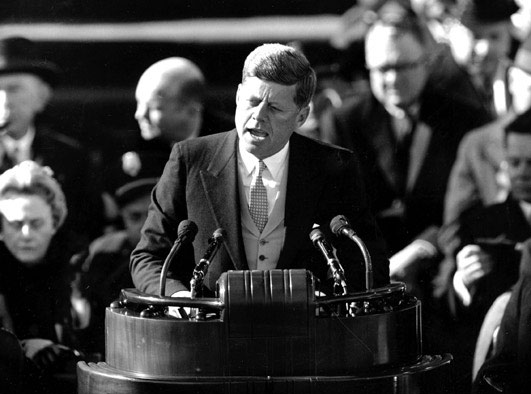 Last week the President proved once again that words and speeches matter. That they have the potential to move people and even reset a debate. While many of us remember, or have studied great speeches, few rise to the level of JFK's Inaugural Address. That speech, given 50 years ago today, truly changed a nation. It was a speech that would define a new, post war generation of leadership and arguably would set the stage for the 60’s and 70’s. Historian and journalist Thurston Clarke has captured that moment in his his book Ask Not: The Inauguration of John F. Kennedy and the Speech That Changed America
Jan 20, 2011
Jan 20, 2011
27 min
 Discussion never seems to end about the rise and growth of China. On this program alone, we've talked about everything from outsourcing to immigration. About food, foreign policy, spectacle, sport and how Americans are falling behind. If any one theme has emerged it is that while we all may have shared goals and aspirations, there are indeed profound cultural differences. Perhaps nowhere is that difference felt or seen or more controversial, then in the realm of parenting; specifically in how Western mothers vs. Chinese mothers raise their children. Time vs. money, sleepovers vs. success, play dates vs. practice drills, choice vs. conformity. These are just a few of the issues that separate the Chinese Way from the Western Way of parenting.
On this very day in which we mark the 50 anniversary of JFK's Inauguration, we’re reminded of a quote by Jackie Kennedy who said simply, "if we bungle raising our children, I don't think whatever else we do matters very much.” What’s not so simple, is how we do that.
Amy Chua has not only written her new book about how Chinese mothers practice parenting, but she has lived it, raising her own two daughters her own way. Her new book Battle Hymn of the Tiger Mother
Discussion never seems to end about the rise and growth of China. On this program alone, we've talked about everything from outsourcing to immigration. About food, foreign policy, spectacle, sport and how Americans are falling behind. If any one theme has emerged it is that while we all may have shared goals and aspirations, there are indeed profound cultural differences. Perhaps nowhere is that difference felt or seen or more controversial, then in the realm of parenting; specifically in how Western mothers vs. Chinese mothers raise their children. Time vs. money, sleepovers vs. success, play dates vs. practice drills, choice vs. conformity. These are just a few of the issues that separate the Chinese Way from the Western Way of parenting.
On this very day in which we mark the 50 anniversary of JFK's Inauguration, we’re reminded of a quote by Jackie Kennedy who said simply, "if we bungle raising our children, I don't think whatever else we do matters very much.” What’s not so simple, is how we do that.
Amy Chua has not only written her new book about how Chinese mothers practice parenting, but she has lived it, raising her own two daughters her own way. Her new book Battle Hymn of the Tiger Mother
Jan 19, 2011
Jan 19, 2011
20 min
 It has been an almost universal truth since Horace Greeley first uttered the worlds "go West young man," that the West offers opportunity and fortune. Today, all that has changed. For many, particularly the children of immigrants from China and India, the decision to go East has been the road to riches. Back in 2008, New York Times and International Herald Tribune columnist Anand Giridharadas did exactly that. He headed to India, to find what he saw as the frontier of the future.
My conversation with Anand Giridharadas about his book India Calling: An Intimate Portrait of a Nation's Remaking
It has been an almost universal truth since Horace Greeley first uttered the worlds "go West young man," that the West offers opportunity and fortune. Today, all that has changed. For many, particularly the children of immigrants from China and India, the decision to go East has been the road to riches. Back in 2008, New York Times and International Herald Tribune columnist Anand Giridharadas did exactly that. He headed to India, to find what he saw as the frontier of the future.
My conversation with Anand Giridharadas about his book India Calling: An Intimate Portrait of a Nation's Remaking
Jan 18, 2011
Jan 18, 2011
17 min
 Imagine, you go though life for almost seventy years with a good name, a stellar reputation and then one day that good name is gone. Instead, they give you a number. They reclassify you as something less then what you thought you were. It probably wouldn't feel very good. Yet this is exactly what happened to the planet Pluto, as Mike Brown led the charge to take away Pluto's good name. Dr. Michel Brown brags How He Killed Pluto and Why It Had It Coming
Jan 18, 2011
Jan 18, 2011
26 min

Jan 17, 2011
Jan 17, 2011
19 min
 In spite of all the trouble inherent in our most intimate relationships, we still keep trying! Why is it that our quest for attachment seemingly has a life of its own? Woody Allen once said, that it’s because "we all need the eggs.” The truth, is both a lot more complicated and also a lot simpler. We are simply hardwired, by millions of years of evolution, to seek intimate attachment. But how and why is the question for modern science. Dr. Amir Levine, in his book Attached: The New Science of Adult Attachment and How It Can Help You Findand KeepLove,
Jan 14, 2011
Jan 14, 2011
26 min

Jan 12, 2011
Jan 12, 2011
23 min
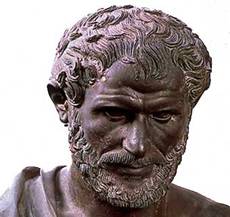 Everywhere we turn today we see a kind of cynicism about all of our institutions. From Governance, to business to banking and education, we have lost faith in how things work and why. We fear change yet damn the status quo. We know something is wrong, yet practically speaking, we know we must integrate change and modernity into how we see the world. How do we begin to get a handle on this? We know that its not as simple as a set of rules, or even a change of leaders. Professor Barry Schwartz argues that the answer lies in what he calls Practical Wisdom
Jan 12, 2011
Jan 12, 2011
26 min

 , Kelly presents on unconventional view of technology, as if it were an almost autonomous system. My conversation with Kevin Kelly:
Jan 10, 2011
Jan 10, 2011
30 min
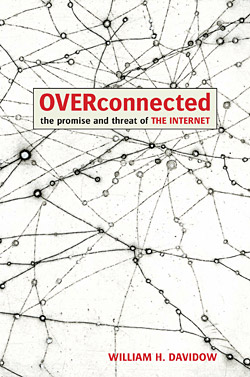 Much as the printing press and later the telegraph & telephone transformed the speed and transmission of information, so the Internet may be even more profound. In fact, it may very well be the biggest transformation in human connectivity since the invention of language itself. The question today, is that while we live and work amidst the impact of this transformation, there is so much we do not know, in real time, about its challenges and its long term impact on our economies, our governance, our laws and our business.
Are we more efficient today, or merely more stressed? Are we better managers or just better jugglers? Do we control our new found connectivity, or does it control us? These are just some of the questions asked by William Davidow in his groundbreaking book OVERCONNECTED: The Promise and Threat of the Internet
Much as the printing press and later the telegraph & telephone transformed the speed and transmission of information, so the Internet may be even more profound. In fact, it may very well be the biggest transformation in human connectivity since the invention of language itself. The question today, is that while we live and work amidst the impact of this transformation, there is so much we do not know, in real time, about its challenges and its long term impact on our economies, our governance, our laws and our business.
Are we more efficient today, or merely more stressed? Are we better managers or just better jugglers? Do we control our new found connectivity, or does it control us? These are just some of the questions asked by William Davidow in his groundbreaking book OVERCONNECTED: The Promise and Threat of the Internet
Jan 4, 2011
Jan 4, 2011
25 min
 Today millions of people are truly living part of their lives in a virtual world. People are playing games, building communities, making friends and even making real money. Literary billions of dollars are paid in exchange for virtual goods. But what if something goes wrong? What are the rules, the laws, the codes of conduct that govern these worlds? Rutgers University law professor Greg Lastowka, in Virtual Justice: The New Laws of Online Worlds,
Jan 3, 2011
Jan 3, 2011
29 min
 Before congress thinks about tampering with the new health care laws, they need to take a close look at what former Cigna PR Executive Wendell Potter says about what's really going on inside the insurance industry. He was the very well respected former head of Corporate Communications for Cigna until his conscience led him to turn on his former colleagues and testify before congressional committees about what he viewed as the health-insurance industry's "duplicitous" behavior. He openly talks about how insurers would have no problems with "dumping the sick" to protect the stock price above all else. Now, Wendell Potter, in his book Deadly Spin: An Insurance Company Insider Speaks Out on How Corporate PR Is Killing Health Care and Deceiving Americans
Dec 30, 2010
Dec 30, 2010
19 min
 Everybody wants to be happy as we go into the New Year. Shopping and gift giving alone may not have done trick. New Years resolutions may simply not be enough to make us happy. So what does make us happy? Is it wealth, youth, beauty, or intelligence. Dan Buettner, author of the bestseller THE BLUE ZONES, says we have the keys within us. For his new work, Thrive: Finding Happiness the Blue Zones Way
Dec 27, 2010
Dec 27, 2010
22 min