
Jeff Schechtman talks with authors, journalists, and thought leaders.
Episodes
Tuesday Mar 12, 2013
Tuesday Mar 12, 2013
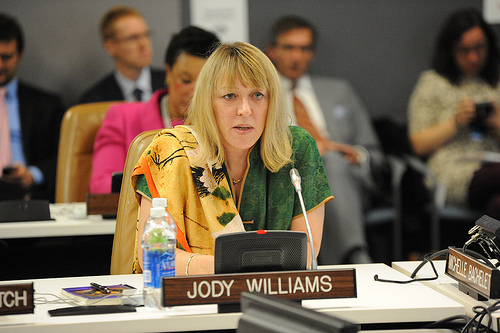 Vietnam, Mexico, Guatemala, El Salvador, South Africa, Burma are just some of the places in the world that have seen the profound violation of human rights and social justice. Beyond that, what they all have in common are the efforts of one woman, Nobel Peace Prize winner Jody Williams, to to seek justice, to fight for those being persecuted and to never fear speaking truth to power.
Today this Nobel Peace Prize winner for the International Campaign to Ban Landmines, has joined forces with six other women Nobel laureates to form the Nobel Women's Initiative and still continues to bring her considerable power and skills to bear in the fight against war, personal violence and injustice.
She shares a bit of how she got here, in her memoir My Name Is Jody Williams: A Vermont Girl's Winding Path to the Nobel Peace Prize.
My conversation with Jody Williams:
Vietnam, Mexico, Guatemala, El Salvador, South Africa, Burma are just some of the places in the world that have seen the profound violation of human rights and social justice. Beyond that, what they all have in common are the efforts of one woman, Nobel Peace Prize winner Jody Williams, to to seek justice, to fight for those being persecuted and to never fear speaking truth to power.
Today this Nobel Peace Prize winner for the International Campaign to Ban Landmines, has joined forces with six other women Nobel laureates to form the Nobel Women's Initiative and still continues to bring her considerable power and skills to bear in the fight against war, personal violence and injustice.
She shares a bit of how she got here, in her memoir My Name Is Jody Williams: A Vermont Girl's Winding Path to the Nobel Peace Prize.
My conversation with Jody Williams:
Sunday Mar 10, 2013
Sunday Mar 10, 2013
 Many us have powerful and painful memories of High School and Middle School. Sometimes, if we were not the most popular kid, something happened that we still remember as if it happened yesterday. The scar tissue of those years is even tougher if we were the victims of bullying. And For others it may be the guilt of being the one doing the bullying, or of not standing up for our friends.
Now Slate's Emily Bazelon looks at this in Sticks and Stones: Defeating the Culture of Bullying and Rediscovering the Power of Character and Empathy
My conversation with Emily Bazelon:
Friday Mar 08, 2013
Friday Mar 08, 2013
 Imagine a "connected" car that when the check engine light comes on, it diagnoses the problem, contacts the appropriate repair place and makes the first available appointment for you, all without you having to do anything. Effortless, frictionless and some would argue, antithetical to the human need to have more control over our environment.
There is no question that the geeks and entrepreneurs of Silicon Valley want to change the world. That they want digital solutions to all the worlds problems. The problem might be argued is that they also want to define those problems and in that way, may be trying to transform human nature in ways that may not be in its long term best interests.
These are some of the ideas of technology contrarian Evgeny Morozov. He lays all of this out in his new work, To Save Everything, Click Here: The Folly of Technological Solutionism
Imagine a "connected" car that when the check engine light comes on, it diagnoses the problem, contacts the appropriate repair place and makes the first available appointment for you, all without you having to do anything. Effortless, frictionless and some would argue, antithetical to the human need to have more control over our environment.
There is no question that the geeks and entrepreneurs of Silicon Valley want to change the world. That they want digital solutions to all the worlds problems. The problem might be argued is that they also want to define those problems and in that way, may be trying to transform human nature in ways that may not be in its long term best interests.
These are some of the ideas of technology contrarian Evgeny Morozov. He lays all of this out in his new work, To Save Everything, Click Here: The Folly of Technological Solutionism
Thursday Mar 07, 2013
Thursday Mar 07, 2013
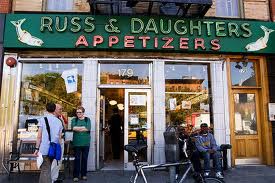 It sometimes seems like everything is going through change. Yet there are some institutions that, the more they change, the more they remain exactly the same. This is true for an appetizing store on Manhattan's lower East Side, that from its pushcart beginnings in 1907, to the new family members running it today, has remained a beacon of smoked salmon, herring, chopped liver and caviar,
But more importantly, it's the story of how one family persevered and grew a business, around all the change of 20th century New York.
Mark Russ Federman took over running Russ and Daughters in 1978 and a couple of years ago turned it over to the fourth generation. He tells his appetizing story in Russ & Daughters: Reflections and Recipes from the House That Herring Built
It sometimes seems like everything is going through change. Yet there are some institutions that, the more they change, the more they remain exactly the same. This is true for an appetizing store on Manhattan's lower East Side, that from its pushcart beginnings in 1907, to the new family members running it today, has remained a beacon of smoked salmon, herring, chopped liver and caviar,
But more importantly, it's the story of how one family persevered and grew a business, around all the change of 20th century New York.
Mark Russ Federman took over running Russ and Daughters in 1978 and a couple of years ago turned it over to the fourth generation. He tells his appetizing story in Russ & Daughters: Reflections and Recipes from the House That Herring Built
Monday Mar 04, 2013
Monday Mar 04, 2013
Monday Mar 04, 2013
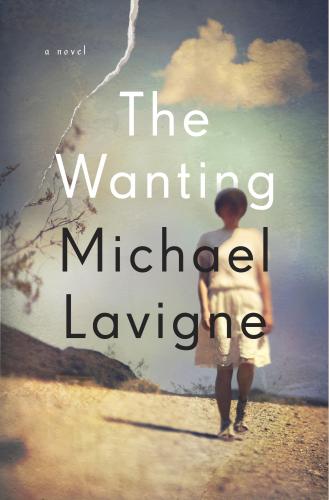
 One of the central tenants of fiction has always been to tell stories of human scale and human frailty, set against the backdrop of powerful and uncontrollable events in places of mystery and beauty. Two new novels, one by esteemed author Manil Suri (The City of Devi)

Saturday Mar 02, 2013
Saturday Mar 02, 2013
 As the movie Lincoln reminds us, sometimes crass politics has noble ends. But even crass politics, must be guided by truth, by facts and by evidence. Today in our politics, facts, information and empirical data have simply given way to what’s become the holy grail of opinion.
Whether it's the influence of talk radio, the impact of money and special interests, or one political parties disconnect from reality, it seems we have dumbed down our discourse to the point where no good public policy can emerge. And as bad as that is today, its consequences down the road could be even more devastating.
David Schultz takes us through the problem in American Politics in the Age of Ignorance: Why Lawmakers Choose Belief Over Research.
My conversation with David Schultz:
Wednesday Feb 27, 2013
Wednesday Feb 27, 2013
 The idea of a new, "modern" religion is a little confusing on its face. Especially one that claims millions of converts each year and that has focused its attention on money, and Hollywood.
Today, Lawrence Wright, Pulitzer Prize winning author of THE LOOMING TOWER, about the history of al-qaida, takes a fresh look at another religion, gone off the rails in Going Clear: Scientology, Hollywood, and the Prison of Belief
My conversation with Lawrence Wright
Monday Feb 25, 2013
Monday Feb 25, 2013
 Back in the 1930’s, Freud said that “the great question that has never been answered, and which I have not yet been able to answer, despite my thirty years of research into the feminine soul, is what does a woman want?”
In the eighty years of research since, have we come any closer to an answer? And are the things that woman wanted then, even remotely similar to the post feminist age we live in today?
Betsy Prioleau thinks so. And in her new work Swoon: Great Seducers and Why Women Love Them
Back in the 1930’s, Freud said that “the great question that has never been answered, and which I have not yet been able to answer, despite my thirty years of research into the feminine soul, is what does a woman want?”
In the eighty years of research since, have we come any closer to an answer? And are the things that woman wanted then, even remotely similar to the post feminist age we live in today?
Betsy Prioleau thinks so. And in her new work Swoon: Great Seducers and Why Women Love Them
Sunday Feb 24, 2013
Sunday Feb 24, 2013
 We hear over and over again that cooperation and teamwork are the keys to 21st century success. Yet we live in a competitive age. We are reminded daily that success in the office, or on the field, or in the world, requires competition and competitive advantage.
How can we better understand and prepare for that competitive environment? Why are some people so much better at it than others? As Vince Lombardi said, “winning may not be everything, but wanting to win is.”
So what are the biological, physiological, genetic and social underpinnings of competition and how can they be approached to created a kind of modern day survival of the fittest?
These are just some of the question that Po Bronson and Ashley Merryman take up in Top Dog: The Science of Winning and Losing
We hear over and over again that cooperation and teamwork are the keys to 21st century success. Yet we live in a competitive age. We are reminded daily that success in the office, or on the field, or in the world, requires competition and competitive advantage.
How can we better understand and prepare for that competitive environment? Why are some people so much better at it than others? As Vince Lombardi said, “winning may not be everything, but wanting to win is.”
So what are the biological, physiological, genetic and social underpinnings of competition and how can they be approached to created a kind of modern day survival of the fittest?
These are just some of the question that Po Bronson and Ashley Merryman take up in Top Dog: The Science of Winning and Losing
Friday Feb 22, 2013
Friday Feb 22, 2013
 Thirty-two years ago, Ronald Reagan, in his first Inaugural, said that government was not the solution, but the problem. Since then, we have been on a sustained path to tear down or discredit government.
Today, in 21st century America, in an era of social networks, global interconnectedness, instant information and rapid change, can the tools of the day do anything to transform our cynicism about government in a way that serves people, improves public policy and perhaps finally transforms the terms of debate on the role of government.
California’s Lt. Governor and former two term Mayor of San Francisco, Gavin Newsom thinks so and he lays out his case in Citizenville: How to Take the Town Square Digital and Reinvent Government
Thirty-two years ago, Ronald Reagan, in his first Inaugural, said that government was not the solution, but the problem. Since then, we have been on a sustained path to tear down or discredit government.
Today, in 21st century America, in an era of social networks, global interconnectedness, instant information and rapid change, can the tools of the day do anything to transform our cynicism about government in a way that serves people, improves public policy and perhaps finally transforms the terms of debate on the role of government.
California’s Lt. Governor and former two term Mayor of San Francisco, Gavin Newsom thinks so and he lays out his case in Citizenville: How to Take the Town Square Digital and Reinvent Government
Thursday Feb 21, 2013
Thursday Feb 21, 2013
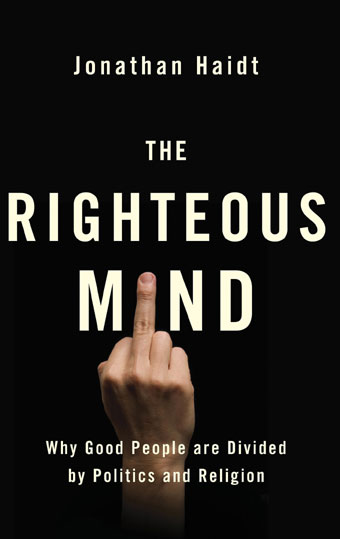 While it certainly may seem as if our social, political and moral debates are a kind of tower of babel, or more like a kind of moral food fight, social psychologist Jonathan Haidt argues that there is a basic moral underpinning to it all. That the culture wars are really a way in which our own personal experience breaks out and defines itself in a kind of moral and political matrix that both traps and defines us. That these principles are universal and enduring and that perhaps if we can better understand them, we can, if not accept, at least have compassion for the better angels of our opponents.
Jonathan Haidt is the Thomas Cooley Professor of Ethical Leadership at New York University's Stern school. His newest work is The Righteous Mind: Why Good People Are Divided by Politics and Religion
My conversation with Jonathan Haidt:
Wednesday Feb 20, 2013
Wednesday Feb 20, 2013
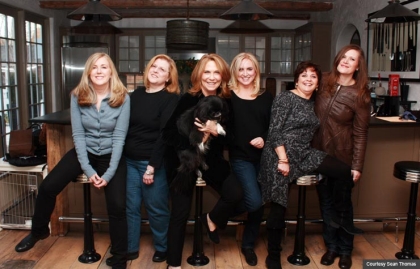 Few experiences in life are more personal than grief. There is simply no formula. We’re all told about the stages of grief, but research now tells us that this is simply not true.
As Anais Nin said, "we each see things not as they are, but as we are." We bring our own history, prejudice and emotions to the process of grieving. Couple this with grieving for a husband, when one still has a whole life ahead and you, and you have the potential for many questions, many tears and even much laughter.
That's what Becky Aikman found out, as she would deal with her own grief along with the group she dubbed THE SATURDAY NIGHT WIDOWS. And while it may sound like a skit on SNL, Saturday Night Widows: The Adventures of Six Friends Remaking Their Lives
Few experiences in life are more personal than grief. There is simply no formula. We’re all told about the stages of grief, but research now tells us that this is simply not true.
As Anais Nin said, "we each see things not as they are, but as we are." We bring our own history, prejudice and emotions to the process of grieving. Couple this with grieving for a husband, when one still has a whole life ahead and you, and you have the potential for many questions, many tears and even much laughter.
That's what Becky Aikman found out, as she would deal with her own grief along with the group she dubbed THE SATURDAY NIGHT WIDOWS. And while it may sound like a skit on SNL, Saturday Night Widows: The Adventures of Six Friends Remaking Their Lives
Monday Feb 18, 2013
Monday Feb 18, 2013
 A new school recently opened in New York called Avenues World School. Its curriculum is focused on creating students who are citizens of the world. It’s tuition is 40,000 a year. But Some parents are willing to pay it, because they see the value of their kids engaging in the challenges of the 21st century's global environment.
As a society, we say we are concerned when we fall behind much of the developed world in our math and science scores. The reality is, that there is a bigger threat. That is the degree to which most of our students are not even engaged with the shrinking world. Their lack of knowledge about the world, its differences, its cultures, its geography and its languages, are all areas that will serve to hold back American students in a rapidly globalizing society.
Carl Hobert of Boston University's School of Education and the Axis of Hope Center for International Conflict, in Raising Global IQ: Preparing Our Students for a Shrinking Planet
My conversation with Carl Hobert:
Friday Feb 15, 2013
Friday Feb 15, 2013
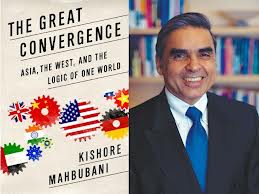
 , he argues that the world has seen more positive change in the past 30 years than in the 300 that preceded it. The global middle class is growing. Poverty levels have fallen; major wars have decreased and people are better educated and better informed. The world is connected in new ways. Mahbubani thinks we are at the dawn of a new age.
My conversation with Kishare Mahbubani:
Thursday Feb 14, 2013
Thursday Feb 14, 2013
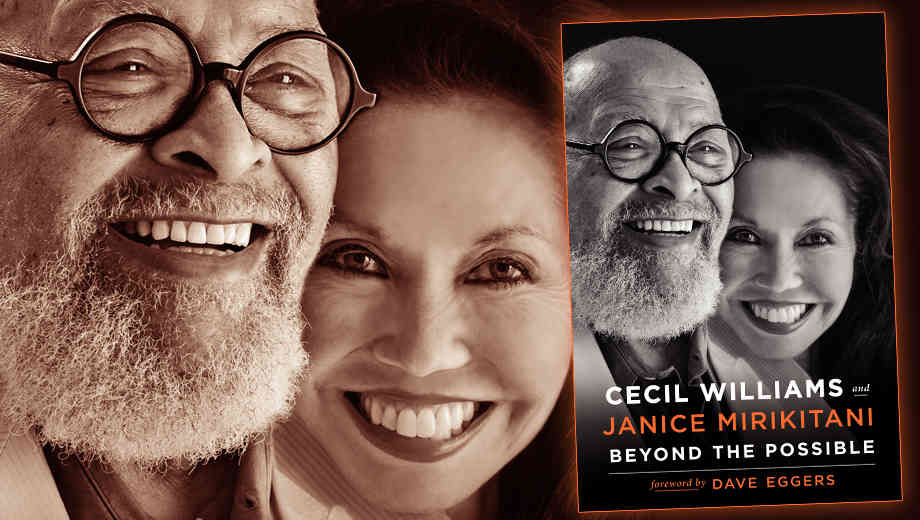 Back in the 60's protest was de rigueur. The anti-war movement and the struggle for civil rights were front and center in the nation's consciousness. During that period many institutions sprung up to give voice to hope and to the causes of the day. Today, 50 years later most of those institutions are gone, and are at best distant nostalgic memories of days gone by.
However, one institution remain in the heart of San Francisco: Glide Memorial Church.
When Cecil William came to Glide it had 35 congregants in the heart of SF's Tenderloin. Today, 50 years later, it is a beacon of hope for the poor, the marginalized and the community. How did this church, under the leadership of Cecil Williams and Janice Mirikitani, remain relevant to the times, in fact, ahead of it's times? What does it tell us about hope, faith and social justice?
Today Cecil and Janice tell their story in their memoir Beyond the Possible: 50 Years of Creating Radical Change in a Community Called Glide
Back in the 60's protest was de rigueur. The anti-war movement and the struggle for civil rights were front and center in the nation's consciousness. During that period many institutions sprung up to give voice to hope and to the causes of the day. Today, 50 years later most of those institutions are gone, and are at best distant nostalgic memories of days gone by.
However, one institution remain in the heart of San Francisco: Glide Memorial Church.
When Cecil William came to Glide it had 35 congregants in the heart of SF's Tenderloin. Today, 50 years later, it is a beacon of hope for the poor, the marginalized and the community. How did this church, under the leadership of Cecil Williams and Janice Mirikitani, remain relevant to the times, in fact, ahead of it's times? What does it tell us about hope, faith and social justice?
Today Cecil and Janice tell their story in their memoir Beyond the Possible: 50 Years of Creating Radical Change in a Community Called Glide
Tuesday Feb 12, 2013
Tuesday Feb 12, 2013
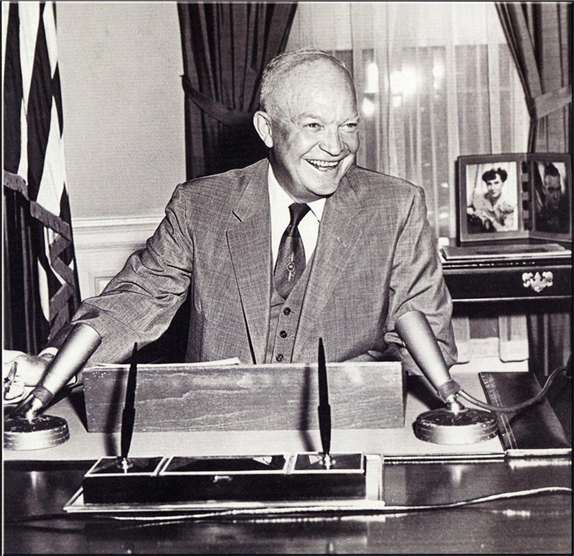 Donald Rumsfeld had an interesting philosophy. He often said that sometimes the solution to a small intractable problem, was to create a much bigger problem or crisis which would, he thought, often make the bigger problem easier to solve.
In some ways Dwight Eisenhower, our 34th President, subscribed to a similar idea. In order to avoid fighting small wars, which he was totally opposed to, he created the bluff of the potential for a much bigger nuclear Armageddon. In so doing, he helped set the country on a path to prevail in the Cold War. Now, award winning journalist Evan Thomas looks at Ike's unique talents in Ike's Bluff: President Eisenhower's Secret Battle to Save the World
My conversation with Evan Thomas:
Sunday Feb 10, 2013
Sunday Feb 10, 2013
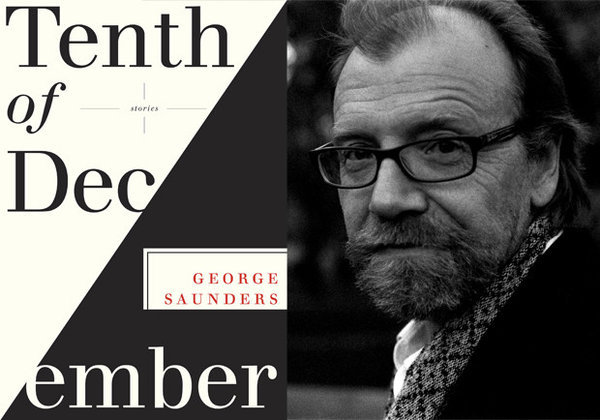
 “the best book you will read this year."
My conversation with George Saunders:
“the best book you will read this year."
My conversation with George Saunders: Friday Feb 08, 2013
Friday Feb 08, 2013
 This past Monday marked the 100th anniversary of the birth of Rosa Parks. She would become one of the most well know women of the twentieth century. When she died in 2005, her body was placed in the Capitol rotunda. Yet the narrative of her life is often defined as a reluctant champion of civil rights, whose one action, on a bus in Montgomery in 1955, made her an iconic figure.
In fact, her life was was really a lifelong fight for for the black freedom struggle. Historian Jeanne Theoharis in The Rebellious Life of Mrs. Rosa Parks
My conversation with Jeanne Theoharis:
Thursday Feb 07, 2013
Thursday Feb 07, 2013
 Amidst all the political talk about immigration, we forget the most important part. That throughout history, immigration has been the way that cultures renew themselves. The way in which the vibrancy of cultures stay relevant, the way in which we connect and understand others, and perhaps most importantly, the way we often get great food.
Eddie Huang has experienced all of that. As a recovering lawyer, the son of immigrant parents and the very successful chef and proprietor of the Baohous restaurant in New York’s West Village. Now he shares his story in his memoir Fresh Off the Boat.
My conversation with Eddie Huang:
Amidst all the political talk about immigration, we forget the most important part. That throughout history, immigration has been the way that cultures renew themselves. The way in which the vibrancy of cultures stay relevant, the way in which we connect and understand others, and perhaps most importantly, the way we often get great food.
Eddie Huang has experienced all of that. As a recovering lawyer, the son of immigrant parents and the very successful chef and proprietor of the Baohous restaurant in New York’s West Village. Now he shares his story in his memoir Fresh Off the Boat.
My conversation with Eddie Huang:
Wednesday Feb 06, 2013
Wednesday Feb 06, 2013
 No matter how much we love our technology, it would be foolish to think that it has only positive effects on us. The impact on our lives has been so profound and our acceptance so overwhelming, that arguably in some way, it must rewire us to see and think about the world differently. This is the background for Pulitzer Prize winning N.Y Times reporter Matt Richtel's new technological thriller The Cloud
Tuesday Feb 05, 2013
Tuesday Feb 05, 2013
 Today there are conflicting forces at play in our nation. On the one hand it appears that progressivism is on the rise. That the walls of prejudice continue to fall. However, we are also becoming a more urban nation. That urbanism goes hand in hand with the progressive agenda. But what happens to those left in rural America? Are they simply condemned to the old ideas , old ways, old attitudes? Can we ever find a way to bridge the prairie and the progressive? This is the core issue Melanie Hoffert takes up in her memoir Prairie Silence:
My conversation with Melanie Hoffert:
Today there are conflicting forces at play in our nation. On the one hand it appears that progressivism is on the rise. That the walls of prejudice continue to fall. However, we are also becoming a more urban nation. That urbanism goes hand in hand with the progressive agenda. But what happens to those left in rural America? Are they simply condemned to the old ideas , old ways, old attitudes? Can we ever find a way to bridge the prairie and the progressive? This is the core issue Melanie Hoffert takes up in her memoir Prairie Silence:
My conversation with Melanie Hoffert:
Saturday Feb 02, 2013
Saturday Feb 02, 2013
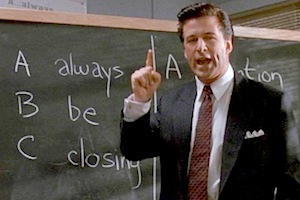 Perhaps it's our popular culture, but the business of selling has gotten a terrible reputation. Whether it’s Willy Loman trying to be “well liked,” or Harold Hill hoodwinking people from town to town, or Alec Baldwin in David Mamet's’ Glengarry Glen Ross, we've seen selling portrayed as as one of the least trustworthy endeavors. Even lower on the scale than members of congress.
Selling in the 21st century is different. No longer is it about sleaze and closing. Today it’s about science, persuasion and information. Selling is something we all do in our personal lives, and in our professional lives; even if we are not in the business of sales. Best selling author Daniel Pink, takes us inside this reality in To Sell Is Human: The Surprising Truth About Moving Others
Perhaps it's our popular culture, but the business of selling has gotten a terrible reputation. Whether it’s Willy Loman trying to be “well liked,” or Harold Hill hoodwinking people from town to town, or Alec Baldwin in David Mamet's’ Glengarry Glen Ross, we've seen selling portrayed as as one of the least trustworthy endeavors. Even lower on the scale than members of congress.
Selling in the 21st century is different. No longer is it about sleaze and closing. Today it’s about science, persuasion and information. Selling is something we all do in our personal lives, and in our professional lives; even if we are not in the business of sales. Best selling author Daniel Pink, takes us inside this reality in To Sell Is Human: The Surprising Truth About Moving Others
Thursday Jan 31, 2013
Thursday Jan 31, 2013
 We humans have this seemingly innate desire to measure everything. Yet what are we really observing, what are we measuring? Since we can only observe a narrow slice of the world around us, most of the universe exists far beyond what we can see, hear, feel or touch.
Popular science writer David Blatner, in his book Spectrums: Our Mind-boggling Universe from Infinitesimal to Infinity
We humans have this seemingly innate desire to measure everything. Yet what are we really observing, what are we measuring? Since we can only observe a narrow slice of the world around us, most of the universe exists far beyond what we can see, hear, feel or touch.
Popular science writer David Blatner, in his book Spectrums: Our Mind-boggling Universe from Infinitesimal to Infinity
Wednesday Jan 30, 2013
Wednesday Jan 30, 2013
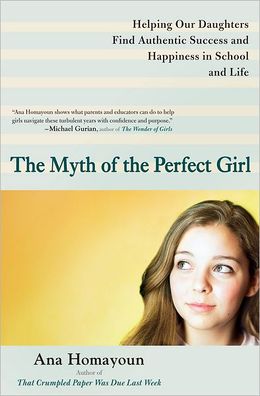 Twenty years ago we were engaged in a great national effort to make sure that girls were not left behind. From the travails of Ophelia to the full implementation of Title IX, we knew we wanted our daughters to have it all.
Well, as the saying goes, beware of what you wish for. Today girls are succeeding at every level. The majority of college and law school graduates are women. And while the glass ceiling still exists, progress continues unabated.
But what price for teen girls that now have new found expectations: To excel in school, in sports and in their social lives. In short, the pressure to be perfect. Ana Homayoun takes up this perfection in her book The Myth of the Perfect Girl: Helping Our Daughters Find Authentic Success and Happiness in School and Life
Twenty years ago we were engaged in a great national effort to make sure that girls were not left behind. From the travails of Ophelia to the full implementation of Title IX, we knew we wanted our daughters to have it all.
Well, as the saying goes, beware of what you wish for. Today girls are succeeding at every level. The majority of college and law school graduates are women. And while the glass ceiling still exists, progress continues unabated.
But what price for teen girls that now have new found expectations: To excel in school, in sports and in their social lives. In short, the pressure to be perfect. Ana Homayoun takes up this perfection in her book The Myth of the Perfect Girl: Helping Our Daughters Find Authentic Success and Happiness in School and Life
Tuesday Jan 29, 2013
Tuesday Jan 29, 2013
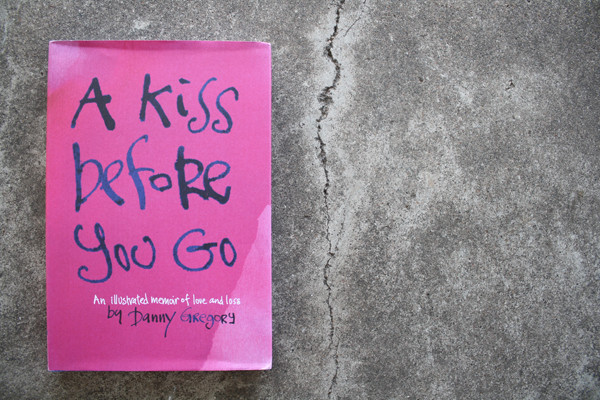 Few things are more personal than how we grieve. While society is often quick to judge and volumes have been written about the process, no one can know how we individually feel pain, love and loss. In the end though, it’s like so many things in life. We bring to it our innate talents and skills and summon up our strengths to do that which is so difficult.
In the case of Danny Gregory, he would reach into his talents as an artist and designer to bring color and life to the darkness of grieving. His graphic memoir of that experience is A Kiss Before You Go: An Illustrated Memoir of Love and Loss
My conversation with Danny Gregory:
Monday Jan 28, 2013
Monday Jan 28, 2013
 New York in the late ‘70s; it was a time that is often derided, yet it was a time of great artistic expression, of raw energy and of diversity. A time before homogenization and disneyfication. It was a time when Graffiti was everywhere and the practitioners of the art were seeking both fame and anonymity. It was a time of art and a time of vandalism. This is the jumping off point for Adam Mansbach's new novel Rage Is Back.
My conversation with Adam Mansbach:
New York in the late ‘70s; it was a time that is often derided, yet it was a time of great artistic expression, of raw energy and of diversity. A time before homogenization and disneyfication. It was a time when Graffiti was everywhere and the practitioners of the art were seeking both fame and anonymity. It was a time of art and a time of vandalism. This is the jumping off point for Adam Mansbach's new novel Rage Is Back.
My conversation with Adam Mansbach:
Friday Jan 25, 2013
Friday Jan 25, 2013
 Here in the Bay Area, particularly Silicon Valley and San Francisco, we have seen one of the greatest concentrations of business startups the world has ever known. Aside from very smart young people working for them, what else do they have in common?
Why is it that some succeed beyond all expectations and others fade away? Why do we see so many serial entrepreneurs? People without MBAs, that are able to take an idea, build a business, scale it and deliver remarkable results. What is the secret sauce?
David Kidder is one of those serial entrepreneurs. But he also set about to find out what makes other entrepreneurs tick. What are the startup secrets? So he put together The Startup Playbook: Secrets of the Fastest-Growing Startups from their Founding Entrepreneurs
Here in the Bay Area, particularly Silicon Valley and San Francisco, we have seen one of the greatest concentrations of business startups the world has ever known. Aside from very smart young people working for them, what else do they have in common?
Why is it that some succeed beyond all expectations and others fade away? Why do we see so many serial entrepreneurs? People without MBAs, that are able to take an idea, build a business, scale it and deliver remarkable results. What is the secret sauce?
David Kidder is one of those serial entrepreneurs. But he also set about to find out what makes other entrepreneurs tick. What are the startup secrets? So he put together The Startup Playbook: Secrets of the Fastest-Growing Startups from their Founding Entrepreneurs
Thursday Jan 24, 2013
Thursday Jan 24, 2013
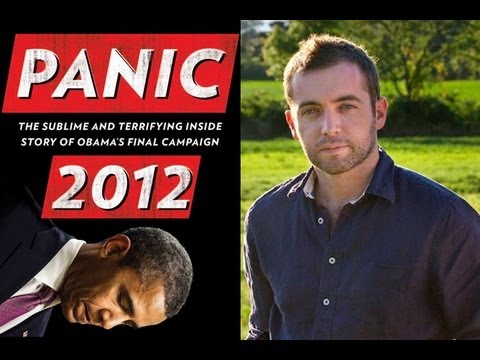 The inherent drama of presidential campaigns has given us a long line of great political reporting. From Theodore White, who set the bar in 1960, through Timothy Kraus, Richard Ben Cramer, who left us recently, Joe McGinniss and even Hunter Thompson. Today, Rolling Stone and BuzzFeed reporter Michael Hastings picks up that mantle.
In many ways coverage of a campaign is an inherently boring job, but some reporters make the connection between the campaign, the times and the candidate. That's what Michael Hastings as accomplished in his new ebook Panic 2012: The Sublime and Terrifying Inside Story of Obama's Final Campaign.
My conversation with Michael Hastings:
Wednesday Jan 23, 2013
Wednesday Jan 23, 2013
 Maybe it was Gordon Gekko declaring that “greed is good,” or before that, Silent Cal Coolidge saying that “the business of America is business.” Or maybe it was simply the financial crash of 2008/2009? Whatever the reason, business today has an approval rating of about 19%...just about as bad as Congress.
But why? Business has been the great engine of progress of the American experience. From the Man in the Grey Flannel Suit to the jeans and turtlenecks of Steve Jobs. As David Brooks put it today, “America’s greatest innovations and commercial blessings were unforeseen. They emerged, bottom up, from tinkerers and business outsiders.”
So why does business get such a bad rap? Sure we idealize small business, but it’s big business that creates jobs, lifts people up and changes the culture.
John Mackey has been working on this problem, first in his own business, Whole Foods, and now in Conscious Capitalism: Liberating the Heroic Spirit of Business
Maybe it was Gordon Gekko declaring that “greed is good,” or before that, Silent Cal Coolidge saying that “the business of America is business.” Or maybe it was simply the financial crash of 2008/2009? Whatever the reason, business today has an approval rating of about 19%...just about as bad as Congress.
But why? Business has been the great engine of progress of the American experience. From the Man in the Grey Flannel Suit to the jeans and turtlenecks of Steve Jobs. As David Brooks put it today, “America’s greatest innovations and commercial blessings were unforeseen. They emerged, bottom up, from tinkerers and business outsiders.”
So why does business get such a bad rap? Sure we idealize small business, but it’s big business that creates jobs, lifts people up and changes the culture.
John Mackey has been working on this problem, first in his own business, Whole Foods, and now in Conscious Capitalism: Liberating the Heroic Spirit of Business
Tuesday Jan 22, 2013
Tuesday Jan 22, 2013
 Maybe it’s technology, or just the nature of our society today, but we seem to have long lost the art of writing letters. Letters were a way we once touched based with our friends; a way of exchanging ideas and feelings, of sharing the complexity and eccentricity of daily life.
It should be no surprise then, that one of our greatest literary lights of the twentieth century, William Styron, author of Lie Down in Darkness, Confession of Nat Turner, Sophie's Choice, and his seminal work on depression, Darkness Visible, should have written a collection of letters that will stand with any of the literary greats.
Years after his death, in 2006, Rose Styron, his bride of 53 years has organized and edited the the thousands of letters that would become the Selected Letters of William Styron.
Maybe it’s technology, or just the nature of our society today, but we seem to have long lost the art of writing letters. Letters were a way we once touched based with our friends; a way of exchanging ideas and feelings, of sharing the complexity and eccentricity of daily life.
It should be no surprise then, that one of our greatest literary lights of the twentieth century, William Styron, author of Lie Down in Darkness, Confession of Nat Turner, Sophie's Choice, and his seminal work on depression, Darkness Visible, should have written a collection of letters that will stand with any of the literary greats.
Years after his death, in 2006, Rose Styron, his bride of 53 years has organized and edited the the thousands of letters that would become the Selected Letters of William Styron.
My conversation with Rose Styron:
Thursday Jan 17, 2013
Thursday Jan 17, 2013
Thursday Jan 17, 2013
Thursday Jan 17, 2013
 Woody Allen once said the world was divided up into two groups. "The horrible and the miserable." The horrible are people with painful or terminal diseases or deformities; and the miserable...well, that was everyone else.
The good new is that this isn’t so. However happiness is still a serious business. We pursue it with fervor, yet it doesn’t seem to last. We’re taught as kids that he pursuit of happiness is a kind of fundamental right. So we pursue it.. But seldom do we understand it, it’s myths, delusions and even its joys. Trying to understand this The Myths of Happiness:
Woody Allen once said the world was divided up into two groups. "The horrible and the miserable." The horrible are people with painful or terminal diseases or deformities; and the miserable...well, that was everyone else.
The good new is that this isn’t so. However happiness is still a serious business. We pursue it with fervor, yet it doesn’t seem to last. We’re taught as kids that he pursuit of happiness is a kind of fundamental right. So we pursue it.. But seldom do we understand it, it’s myths, delusions and even its joys. Trying to understand this The Myths of Happiness: 
Monday Jan 14, 2013
Monday Jan 14, 2013

 My conversation with Katherine Stewart:
Friday Jan 11, 2013
Friday Jan 11, 2013
 We talk a great deal, in the political context, of still fighting the culture wars of the ‘60s. Yet in that discussion we sometimes miss the larger points of what changed in that period. It wasn’t just politics, and war and drugs and race. It was a fundamental change in how we view ourselves as individuals and our place in the world.
The human potential movement, born in the early 60’s, sought to address how we see ourselves, and how we could be more empowered as individuals. This was very different than the Organization Man that grew out of WWII. We see the flowerings of this in some of the individual stirring in Mad Men.
Jessica Grogan takes a look at the whole history of this movement in Encountering America: Humanistic Psychology, Sixties Culture, and the Shaping of the Modern Self
We talk a great deal, in the political context, of still fighting the culture wars of the ‘60s. Yet in that discussion we sometimes miss the larger points of what changed in that period. It wasn’t just politics, and war and drugs and race. It was a fundamental change in how we view ourselves as individuals and our place in the world.
The human potential movement, born in the early 60’s, sought to address how we see ourselves, and how we could be more empowered as individuals. This was very different than the Organization Man that grew out of WWII. We see the flowerings of this in some of the individual stirring in Mad Men.
Jessica Grogan takes a look at the whole history of this movement in Encountering America: Humanistic Psychology, Sixties Culture, and the Shaping of the Modern Self
My conversation with Jessica Grogan:
Thursday Jan 10, 2013
Thursday Jan 10, 2013
 As the new year begins, and we make the requisite resolutions, we somehow know that most will not be kept. In part, this is due to the gap that exists between what we want and what we actually do. In understanding that gap, we essentially define who we are. When we eat the organic chocolate, which we purchased as a donation to a charity, we are really fooling ourselves that our virtue is more important than our willpower.
This understanding of willpower, is the work of our guest Stanford professor Kelly McGonigal. Her work is detailed in The Willpower Instinct: How Self-Control Works, Why It Matters, and What You Can Do To Get More of It
As the new year begins, and we make the requisite resolutions, we somehow know that most will not be kept. In part, this is due to the gap that exists between what we want and what we actually do. In understanding that gap, we essentially define who we are. When we eat the organic chocolate, which we purchased as a donation to a charity, we are really fooling ourselves that our virtue is more important than our willpower.
This understanding of willpower, is the work of our guest Stanford professor Kelly McGonigal. Her work is detailed in The Willpower Instinct: How Self-Control Works, Why It Matters, and What You Can Do To Get More of It
Thursday Jan 10, 2013
Thursday Jan 10, 2013
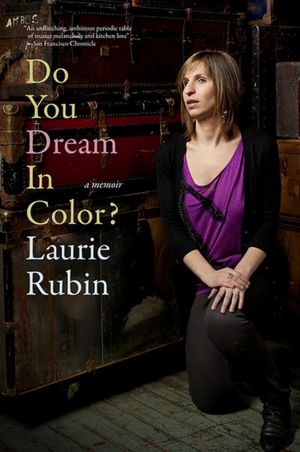 Laurie Rubin was born blind, but has never allowed herself to be defined by her disability. She is an internationally celebrated Mezzo Soprano, a jewelry designer, a water skier and a graduate of Yale. She is also the author of a new memoir and CD, both titled Do You Dream in Color
Wednesday Jan 09, 2013
Wednesday Jan 09, 2013
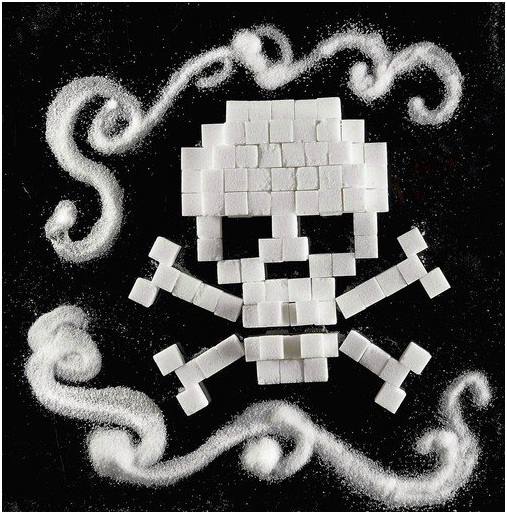 A spoonful of sugar does not make the medicine go down! In fact, it maybe that spoonful of sugar that is the very reason we may need the medicine.
Walk into any convenience store or supermarket and sugar seems to be a key ingredient in most of what we buy and eat. At the same time obesity is reaching epidemic proportions. Its personal and public policy ramifications touch everything from health care costs to educational success. But is sugar really the culprit it's made out to be? Dr. Robert Lustig thinks so and he explains in his book Fat Chance: Beating the Odds Against Sugar, Processed Food, Obesity, and Disease
A spoonful of sugar does not make the medicine go down! In fact, it maybe that spoonful of sugar that is the very reason we may need the medicine.
Walk into any convenience store or supermarket and sugar seems to be a key ingredient in most of what we buy and eat. At the same time obesity is reaching epidemic proportions. Its personal and public policy ramifications touch everything from health care costs to educational success. But is sugar really the culprit it's made out to be? Dr. Robert Lustig thinks so and he explains in his book Fat Chance: Beating the Odds Against Sugar, Processed Food, Obesity, and Disease
Tuesday Jan 08, 2013
Tuesday Jan 08, 2013
 Maybe it’s the fact that we keep trying to move to a post racial America, or that we’ve re-elected a black President. Maybe it’s the movie Lincoln, or Django or that we are celebrating the 150th anniversary of the Emancipation Proclamation. But the subject of slavery, of freedom and the personal cost of moving from one to the other is suddenly very much a part of the public meme.
Add to this list a sweeping new historical novel from the celebrated author fo The Girl With The Pearl Earning. Tracy Chevalier, in her new novel The Last Runaway moves from European to American history; the 1850s, quakers and a network helping slaves escape to freedom.
Maybe it’s the fact that we keep trying to move to a post racial America, or that we’ve re-elected a black President. Maybe it’s the movie Lincoln, or Django or that we are celebrating the 150th anniversary of the Emancipation Proclamation. But the subject of slavery, of freedom and the personal cost of moving from one to the other is suddenly very much a part of the public meme.
Add to this list a sweeping new historical novel from the celebrated author fo The Girl With The Pearl Earning. Tracy Chevalier, in her new novel The Last Runaway moves from European to American history; the 1850s, quakers and a network helping slaves escape to freedom.
My conversation with Tracy Chevalier:
Monday Jan 07, 2013
Monday Jan 07, 2013
 In life there is often a disconnect between what we mark, what we celebrate and the actual underlying reasons that we do so. We mark births and deaths, yet the back story for both may have been years in the making. We mark the beginning and end of wars, yet give little significance for the reasons that lead to either.
So too was it for the founding of the American republic. 1776 marks the year in which seminal events took place. But the events that gave birth to them, happened earlier, in what esteemed historian Kevin Phillips says was 1775: A Good Year for Revolution
My conversation with Kevin Phillips: