
Jeff Schechtman talks with authors, journalists, and thought leaders.
Episodes
Jun 25, 2010
Jun 25, 2010
21 min
 .
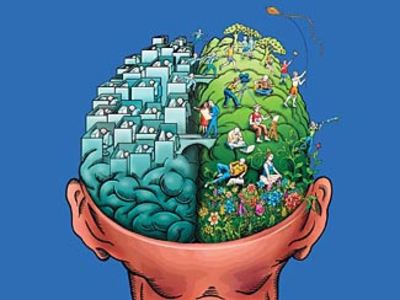
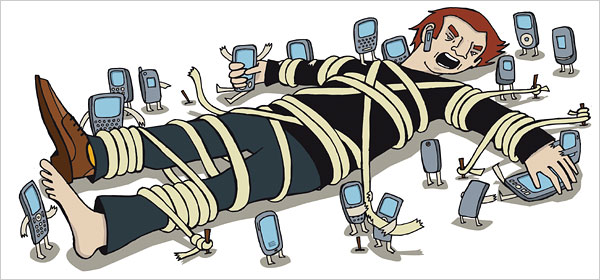
He argues that the internet is rerouting our neural pathways, replacing our literary brain with one that is over distracted in ways that sacrifice both knowledge, wisdom and creativity. My conversation with Nicholas Carr:
.
He argues that the internet is rerouting our neural pathways, replacing our literary brain with one that is over distracted in ways that sacrifice both knowledge, wisdom and creativity. My conversation with Nicholas Carr:
Jun 24, 2010
Jun 24, 2010
29 min
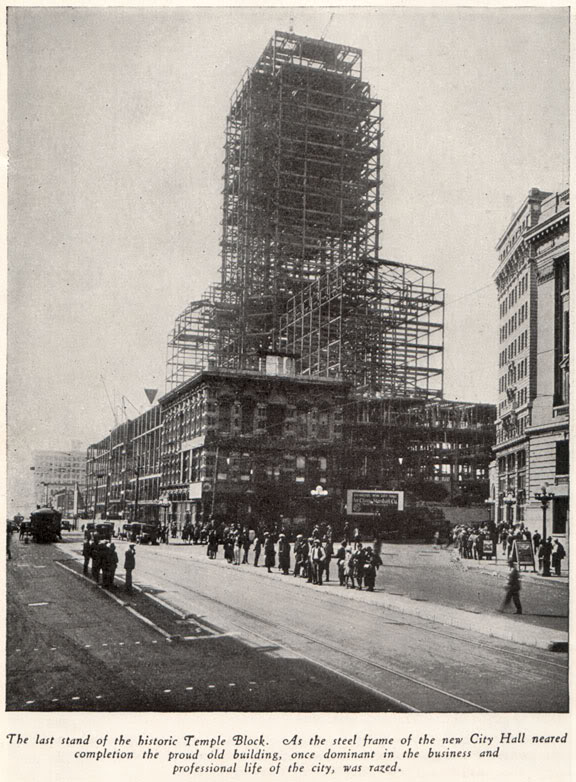
 , LA's premier chronicler Richard Rayner, takes us inside theses transformative years that forever shaped the destiny of the one of the world great and most important cities.
My conversation with Richard Rayner:
, LA's premier chronicler Richard Rayner, takes us inside theses transformative years that forever shaped the destiny of the one of the world great and most important cities.
My conversation with Richard Rayner:
Jun 23, 2010
Jun 23, 2010
29 min
.jpg)
 and his June 10th article about "The Failure of the American Jewish Establishment," in the New York Review of Book, have garnered wide and enthusiastic attention. My conversation with Peter Beinart:
Jun 21, 2010
Jun 21, 2010
29 min

 , captures the complex world of forgotten stories and characters that make up urban renewal's promise and tragedies. My conversation with Samuel Zipp:
Jun 17, 2010
Jun 17, 2010
33 min

 , is the first definitive account of Obama's first year in office. My conversation with Jonathan Alter:
Jun 16, 2010
Jun 16, 2010
16 min
 , tells about her 12 year, often darkly comic, journey to the doorstep of motherhood. My conversation with Amie Klempnauer Miller:
Jun 16, 2010
Jun 16, 2010
28 min

 . My conversation with Matt Ridley:
Jun 15, 2010
Jun 15, 2010
27 min
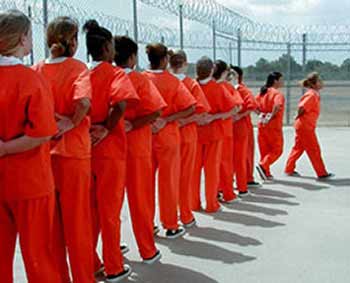 After graduating from Smith College, Piper Kerman fell in with a bad relationship and a hard-partying, drug dealing crowd. Ten years after she left it all behind, her past came back to haunt her. In her memoir Orange Is the New Black: My Year in a Women's Prison, she tells the powerful, heartfelt story of her 15 months in federal prison, of the women she met and befriended and of the idea and power of community, even behind bars. My conversation with Piper Kerman:
Jun 14, 2010
Jun 14, 2010
29 min
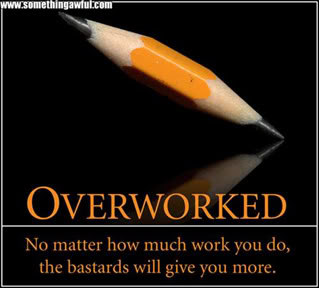 How many of you are energized about going to work each day? If you are not, you are in the company of 75% of employees around the world who feel disengaged at work. As the recession has increased pressures for productivity, as twelve and fourteen hour days become the norm, as technology tethers us to work 24/7, it's no wonder that job satisfaction is waning. Yet, if we are to stay competitive, if we are to provide the creative energy to solves tomorrows problems, something has to change. Tony Schwartz, founder of The Energy Project and long time journalist, in his new book The Way We're Working Isn't Working: The Four Forgotten Needs That Energize Great Performance,
Jun 10, 2010
Jun 10, 2010
18 min
Jun 7, 2010
Jun 7, 2010
22 min
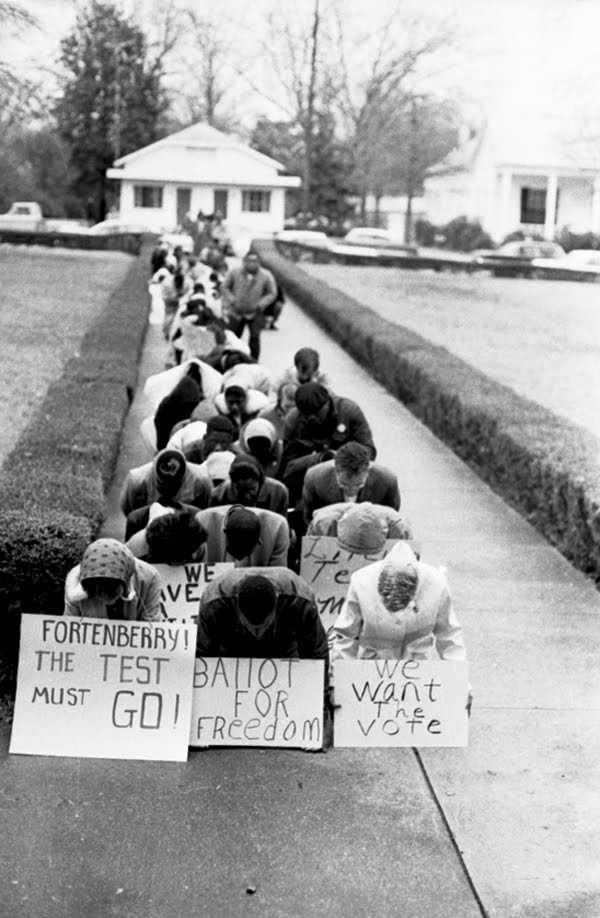
 details the link between those events and the election of 2008. My conversation with Bruce Watson
Jun 6, 2010
Jun 6, 2010
 . My conversation with Clyde Prestowitz:
Jun 3, 2010
Jun 3, 2010
26 min
 . My conversation with Daniel Simons:
Jun 2, 2010
Jun 2, 2010
27 min
 Even with respect to our most benign domestic issues, it seems impossible for most people to see both sides of an issue. With respect to perhaps the world's most contentious issue, the conflict between the Israelis and the Palestinians, the ability to see both sides is near impossible and has been so for over 60 years. Journalist and historian Kai Bird has done the rare thing of not only seeing both sides, but living on both sides in the Middle East.
Kai Bird came of age amidst the Arab/Israeli conflict. He thought he fully understood the catastrophe and plight of the Palestinians until he married a Jewish woman, whose parents were holocaust survivors. In his book Crossing Mandelbaum Gate: Coming of Age Between the Arabs and Israelis, 1956-1978
Even with respect to our most benign domestic issues, it seems impossible for most people to see both sides of an issue. With respect to perhaps the world's most contentious issue, the conflict between the Israelis and the Palestinians, the ability to see both sides is near impossible and has been so for over 60 years. Journalist and historian Kai Bird has done the rare thing of not only seeing both sides, but living on both sides in the Middle East.
Kai Bird came of age amidst the Arab/Israeli conflict. He thought he fully understood the catastrophe and plight of the Palestinians until he married a Jewish woman, whose parents were holocaust survivors. In his book Crossing Mandelbaum Gate: Coming of Age Between the Arabs and Israelis, 1956-1978
Jun 1, 2010
Jun 1, 2010
23 min

 , former New York Times public editor Daniel Okrent examines how a perfect storm of political and social trends lead to prohibition, what were some of those unintended consequences and why and how something similar could happen again. My conversation with Daniel Okrent:
 Jun 1, 2010
Jun 1, 2010
18 min
 , tells us that we may be just reaching our peak of mental abilities in so many areas. It seems that something as simple as education, or working, may be the key to building and enhancing the brain for a lifetime. My conversation with Barbara Strauch:
May 27, 2010
May 27, 2010
24 min
May 26, 2010
May 26, 2010
17 min
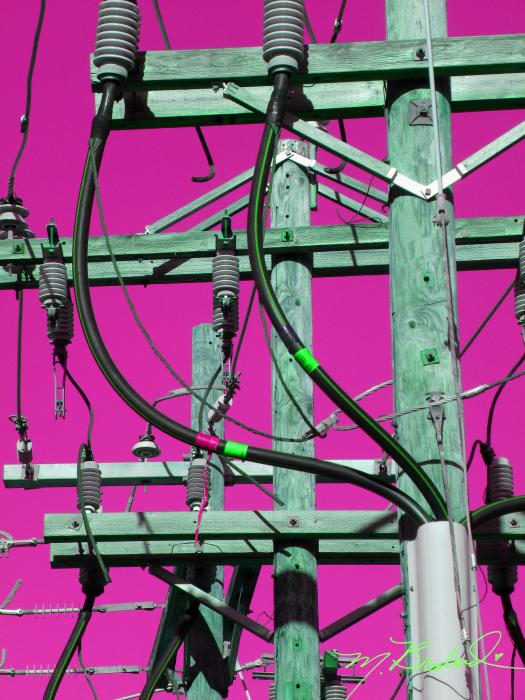
 , Robert Bryce gives a counter intuitive assessment of the $5 trillion per year global energy industry and what really fuels the world economy. Much to the chagrin of many, he rebukes the conventional wisdom about energy. He shows the reality that the US has built the world's largest economy by relying on hydrocarbons and we cannot and will not stop using carbon based fuels for a long time to come. He makes a compelling case that our real clean energy future must be natural gas and nuclear. My conversation with Robert Bryce:
May 25, 2010
May 25, 2010
24 min
 Nassim Nicholas Taleb has redefined how we see the world. An options trader and scholar turned philosopher, he is one of the very people who predicted the financial crisis. In doing so, he devised the concept of "Black Swan Events" to describe unexpected shocks to our collective system. In his new, paperback version of The Black Swan, he outlines what's still wrong with our economic system, why we are unequipped to handle the world's problems and why many of our experts, in his view, know less than cab drivers. Taleb's is an iconoclastic, provocative, idiosyncratic view of our world. But it's one we can't afford to ignore. My conversation with Nassim Nicholas Taleb:
May 24, 2010
May 24, 2010
23 min
And when ye shall hear of wars and rumours of wars, be ye not troubled: for such things must needs be; but the end shall not be yet.
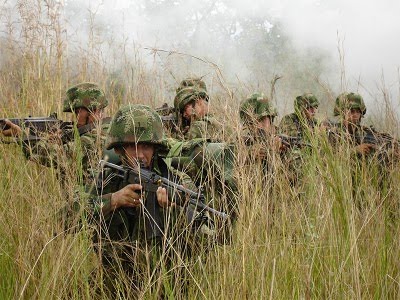 Sometimes in America, there is a desperate need for war, an atavistic desire for violence. This trend has repeated itself thought our history. In 1890 there was clearly this need for war. Teddy Roosevelt embodied that need. He was ready to go to war against Spain, but according to his letters, any nation would do. He felt the need to cope with much change and reaffirm a nation that some argued was going soft. Sound familiar? Newsweek editor-at-large Evan Thomas, in this new book The War Lovers: Roosevelt, Lodge, Hearst, and the Rush to Empire, 1898
 spent years researching what happened in the 1890's and what lessons we might learn today.
My conversation with Evan Thomas:
spent years researching what happened in the 1890's and what lessons we might learn today.
My conversation with Evan Thomas:
May 22, 2010
May 22, 2010
23 min

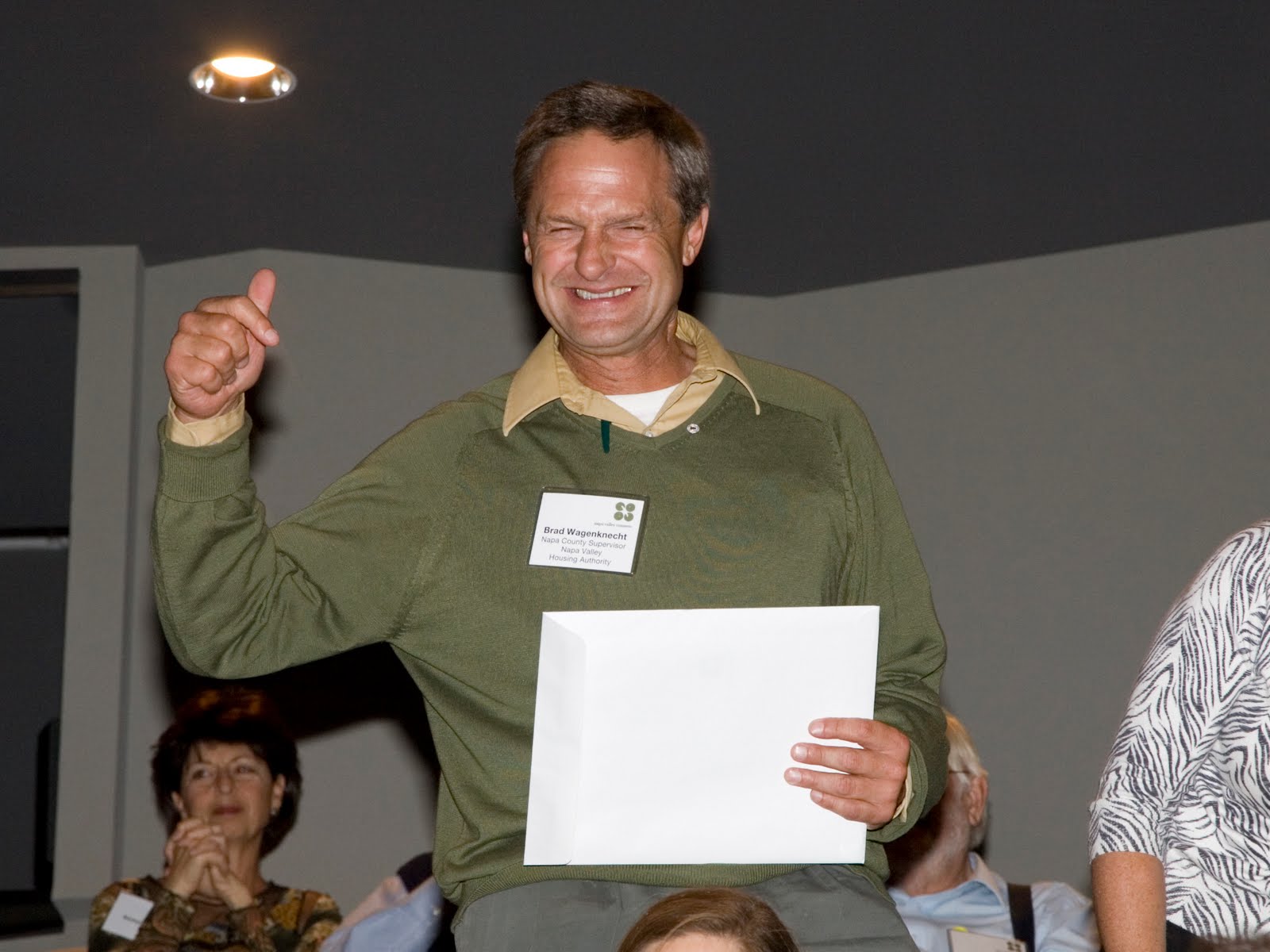 Most political races, or at least the ideal ones, are between two candidates with different views, but with equal ability to articulate those views to the voters. Sometimes though, there are races which are like mismatched prizefights and a referee should shop them in the second round. Here in Napa we have such a race. It's a race for County Supervisor that pits a dynamic former police chief, with good, sound ideas, against a twelve year incumbent who serves only by virtue of Forrest Gump like likeability and the special interests he serves. For a good shock to the political system listen as these two answer a few questions at a recent forum.
May 21, 2010
May 21, 2010
20 min
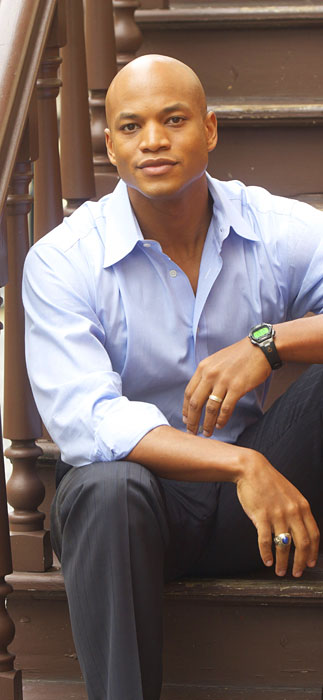
 truly embodies the words of Robert Frost: "Two roads diverged in a wood, and I took the one less traveled by, And that has made all the difference." My conversation with Wes Moore:
May 18, 2010
May 18, 2010
29 min
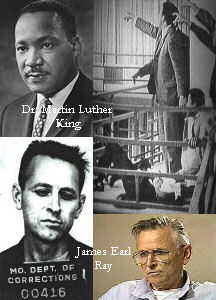
 ,tells the story of the stalking of King and the search for his assassin. My conversation with Hampton Sides:
May 17, 2010
May 17, 2010
24 min
 Intense, idiosyncratic, diverse, elusive. These are just a few of the words that have been used to describe singer/songwriter Van Morrison. One our our most astute cultural critics, Greil Marcus, in his new book When That Rough God Goes Riding: Listening to Van Morrison
May 12, 2010
May 12, 2010
23 min
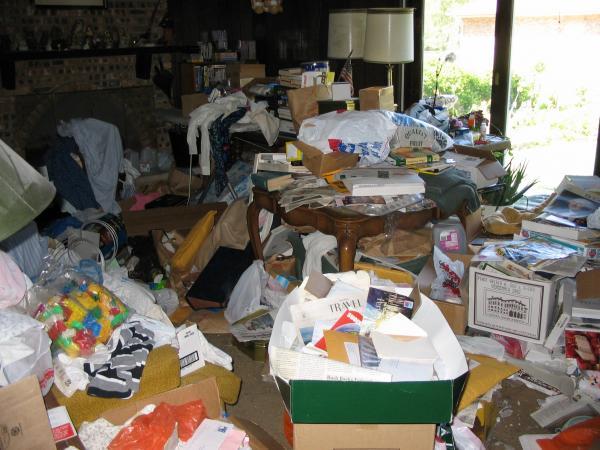 Ours is a materialistic culture with an insatiable appetite for stuff, but at what point does that appetite cross the line and reach unhealthy levels? Researchers estimate that more than six million hoarders live in the United States. And whether we're savers, collectors, or compulsive cleaners, none of us is free of the impulses that drive hoarders to extremes. But exactly how, when, and why do these otherwise normal impulses and experiences develop into hoarding? Dr. Randy Frost in his new book Stuff: Compulsive Hoarding and the Meaning of Things
May 10, 2010
May 10, 2010
32 min
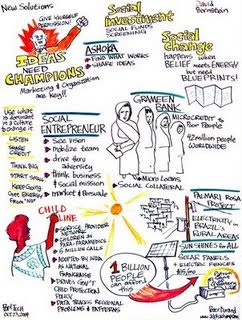
 , who social entrepreneurs are, how they organize and succeed and what challenges they face in the world today. My conversation with David Bornstein:
May 6, 2010
May 6, 2010
13 min
 John Lennon said that "life is what happens while were busy making other plans." History tells us that things are the way they are, until they're not. Pulitzer prize winning journalist and bestselling author Anna Quindlen's new novel Every Last One, takes this idea into the heart of the American family. People often think that family protects them from the omnipresent danger of the outside world. But what happens when the violence comes from within? Anna Quindlen gives us a new way to look at family and perhaps a metaphor for our larger American family. My conversation with Anna Quindlen:
May 5, 2010
May 5, 2010
34 min
 As Michael Lewis explained to us yesterday, there is no question we've just been through the worst economic crises since the great depression. As we begin to recover, we all wonder what will be different? What lessons will we take away? It should be clear by now that enough has changed that we can't solve everything just by regulating Wall Street. We will each have to find ways to reform ourselves and our values to reflect the changing economy, strained resources and a new emphasis on what constitutes real value. All of this is what bestselling author, public intellectual and economic development expert Richard Florida calls The Great Reset
May 4, 2010
May 4, 2010
21 min
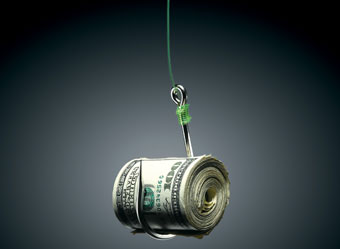 It was John Adams who said "Facts are stubborn things; and whatever may be our wishes, our inclinations, or the dictates of our passion, they cannot alter the state of facts and evidence." What Adams missed is that facts can be interpreted differently by different people. Bias, fed by money, greed, delusion and even by too much information, can cloud and shape those facts. In many ways that's what happened in the recent collapse of the sub-prime mortgage market and of Wall Street itself.
Twenty one years ago Michael Lewis wrote about the wreckage of Wall Street in his memoir Liar's Poker. Little did he know then that he was writing about the beginning of an era that may now finally be ending. In his new look at Wall Street and the recent financial crisis The Big Short: Inside the Doomsday Machine
It was John Adams who said "Facts are stubborn things; and whatever may be our wishes, our inclinations, or the dictates of our passion, they cannot alter the state of facts and evidence." What Adams missed is that facts can be interpreted differently by different people. Bias, fed by money, greed, delusion and even by too much information, can cloud and shape those facts. In many ways that's what happened in the recent collapse of the sub-prime mortgage market and of Wall Street itself.
Twenty one years ago Michael Lewis wrote about the wreckage of Wall Street in his memoir Liar's Poker. Little did he know then that he was writing about the beginning of an era that may now finally be ending. In his new look at Wall Street and the recent financial crisis The Big Short: Inside the Doomsday Machine
May 3, 2010
May 3, 2010
30 min
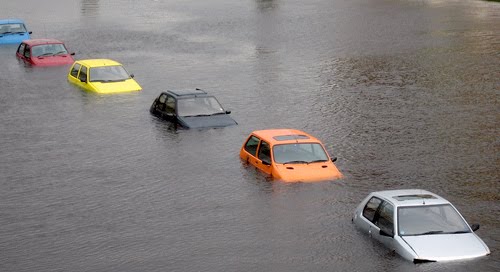 There was time when we looked to and trusted science to provide answers to the most pressing questions facing mankind. Today, science like so much else in America, has become politicized and ignorance has been elevated as a political philosophy. Dr. Burton Richter, a Nobel Prize winning American physicist, who lead the Stanford Linear Accelerator and is one of the leaders of the revolution in particle physics, takes on the huge task of trying to educate us about climate change and energy. His book Beyond Smoke and Mirrors: Climate Change and Energy in the 21st Century
May 1, 2010
May 1, 2010
20 min
 Usually we look at how great writers influence our language and culture. Emily Dickenson turned this notion upside down. It was in fact her household staff that influenced her writing and altered her sensibility. Just as cultural diversity shaped Dickenson, as we find more and more cultural and ethnic diversity in our society, it's worth wondering how this multiculturalism will influence contemporary writers? Also, as more technology and and a growing service sector give writers more time to write, what impact will that have? Aife Murray, in her new book Maid as Muse: How Servants Changed Emily Dickinson's Life and Language gives us stories about 19th century literary and social history that just might have some parallels in the 21st. My conversation with Aife Murray:
Apr 30, 2010
Apr 30, 2010
15 min
 The 2012 presidential election is still 30 months away. But Republican challengers to the President already think that holding public office may be a liability. Are we heading into a campaign that's not at all about policy, or ideas or governing, but about anger at a changing society, played out in a multilayered media landscape. Matt Bai, contributing editor to the The New York Times Magazine, and one of our most astute political observers, thinks this might be happening. My conversation with Matt Bai about his article in The Magazine this Sunday:
Apr 29, 2010
Apr 29, 2010
20 min
Apr 26, 2010
Apr 26, 2010
28 min
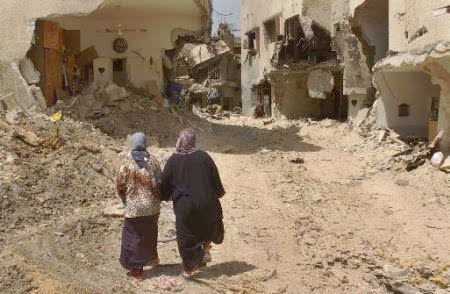 Sometimes it is through art and literature that we are better able to understand the complex issues of our time. Perhaps nowhere is this more true than in the Middle East, where reality, truth and history are often blurred beyond distinction. A place where over sixty years of conflict have brutalized the human condition. Susan Abulhawa, the founder of Playgrounds for Palestine, and herself the daughter of Palestinian refugees, tells us, in her new novel Mornings in Jenin
Apr 23, 2010
Apr 23, 2010
25 min
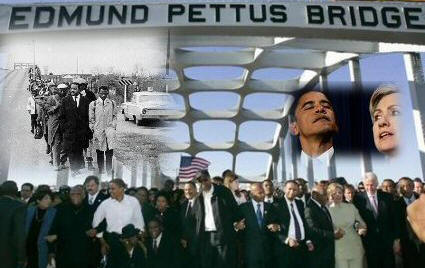 Perhaps only now are we coming to realize that the election of Barack Obama was, to quote Joe Biden "a big F...ing deal." Not only did we elect an African-American President, but for only the second time in the nations history we elected a non Protestant to occupy the office. How did this happen? What nerve did Obama touch in the American psyche. Today, although it might not have been the intent of the Founders, Presidents represent a kind of national Rorschach test, on whom we project our dreams, our fears and our hopes. In our media driven culture, the individual narrative of the candidate becomes the central arc of our politics.
David Remnick, the Pulitzer Prize winning editor of The New Yorker, in his new book The Bridge: The Life and Rise of Barack Obama
Perhaps only now are we coming to realize that the election of Barack Obama was, to quote Joe Biden "a big F...ing deal." Not only did we elect an African-American President, but for only the second time in the nations history we elected a non Protestant to occupy the office. How did this happen? What nerve did Obama touch in the American psyche. Today, although it might not have been the intent of the Founders, Presidents represent a kind of national Rorschach test, on whom we project our dreams, our fears and our hopes. In our media driven culture, the individual narrative of the candidate becomes the central arc of our politics.
David Remnick, the Pulitzer Prize winning editor of The New Yorker, in his new book The Bridge: The Life and Rise of Barack Obama
Apr 22, 2010
Apr 22, 2010
21 min
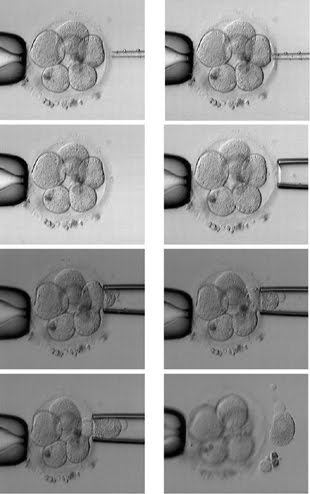
 tells the story of one Long Island couple thrust into this uncharted biomedical territory. It's riveting story, with a happy, but cautionary ending. My converation with Beth Whitehouse:
Apr 22, 2010
Apr 22, 2010
17 min

 . My conversation with Pearl Abraham:
Apr 21, 2010
Apr 21, 2010
18 min
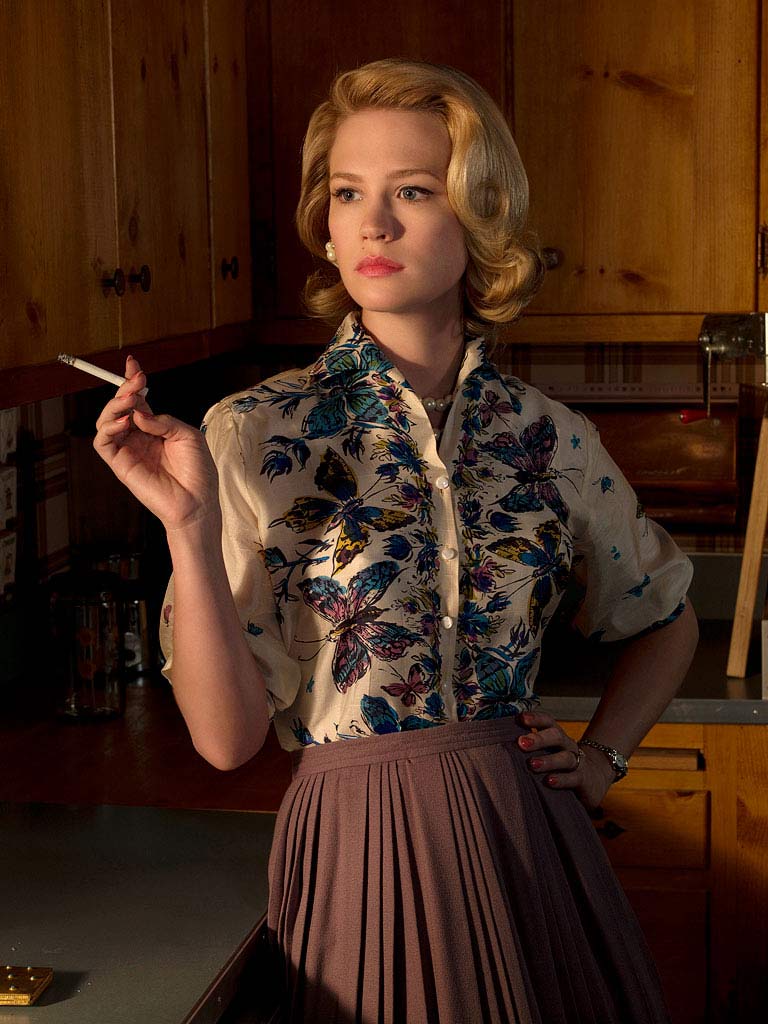
 , she comes to realize that her mother was part of a generation of post-war woman whose frustration and unhappiness provided the predicate for the woman's movement and whose contribution still shapes us today. Like Betty Draper in "Mad Men" and April Wheeler in "Revolutionary Road," Reichl's mother came of age at the worst possible time for woman: They were educated, they had time on their hands, but no place to direct their talents. Reichl's mother wanted to make sure that her daughter had a very different life. Ruth Reichl tells me more about her mother's story:
Apr 20, 2010
Apr 20, 2010
24 min
 . My conversation with Deborah Rudacille:
Apr 19, 2010
Apr 19, 2010
26 min

 . My conversation with Jonathan R. Cole: